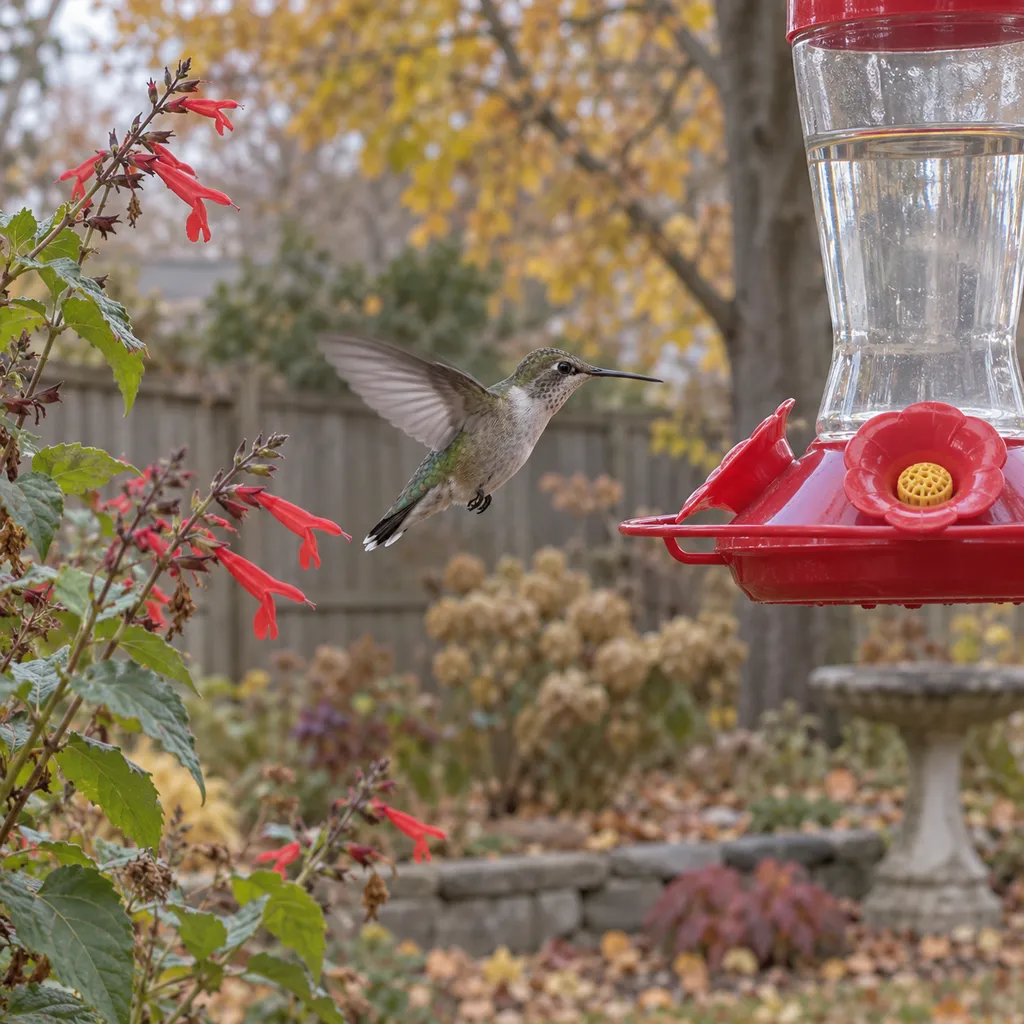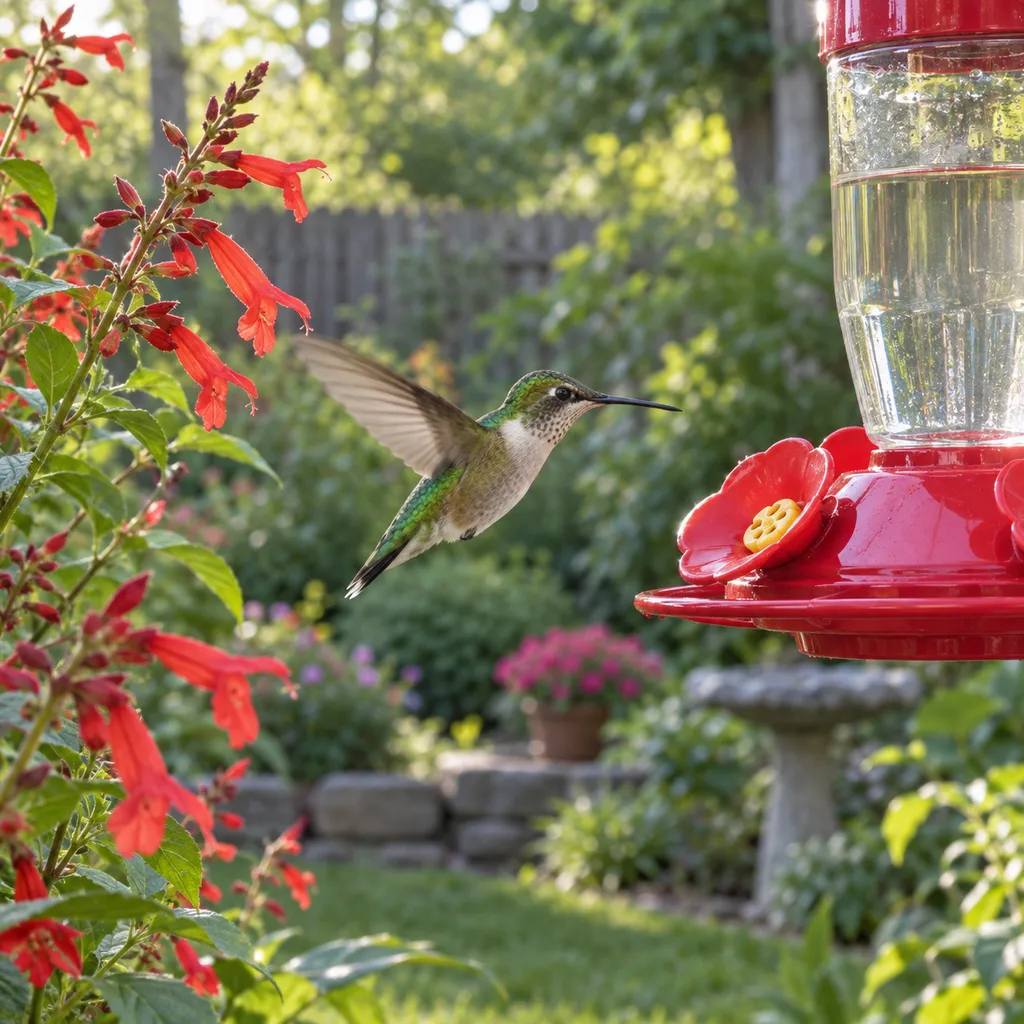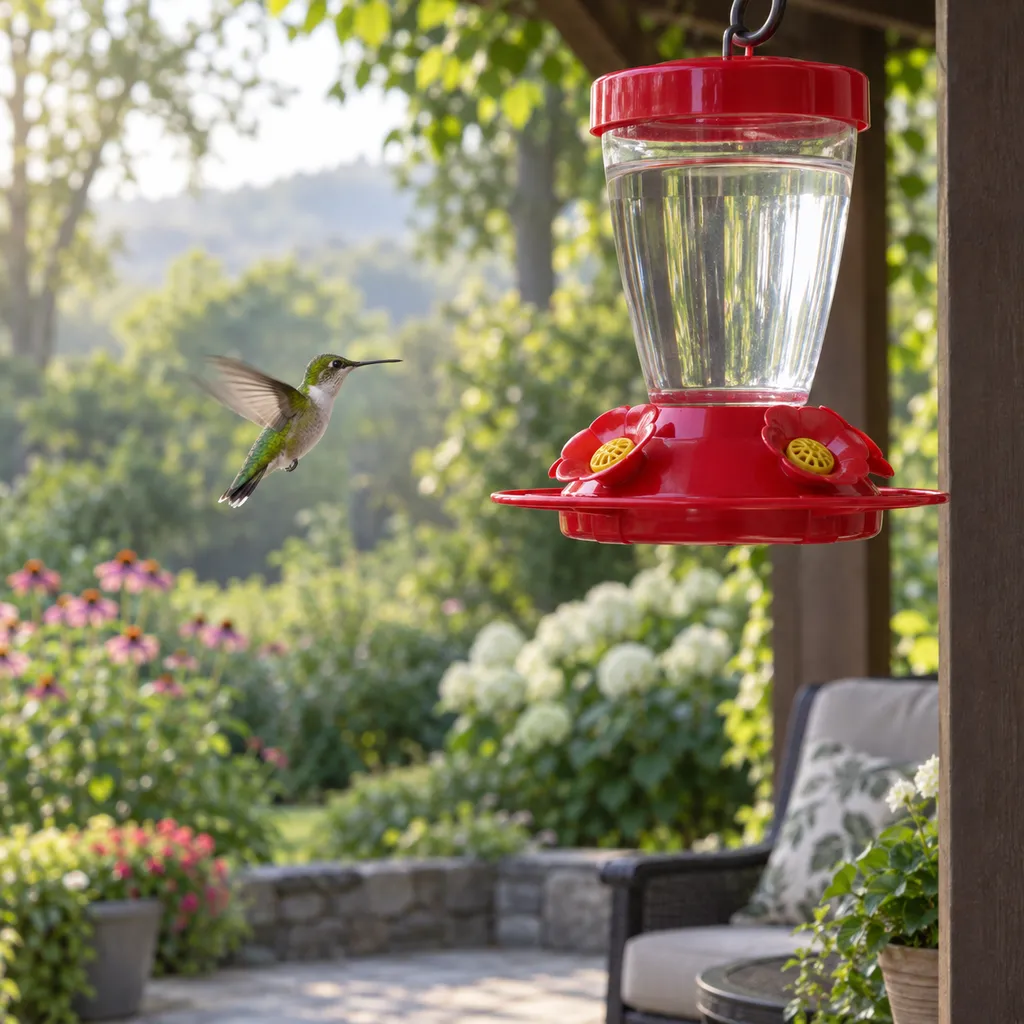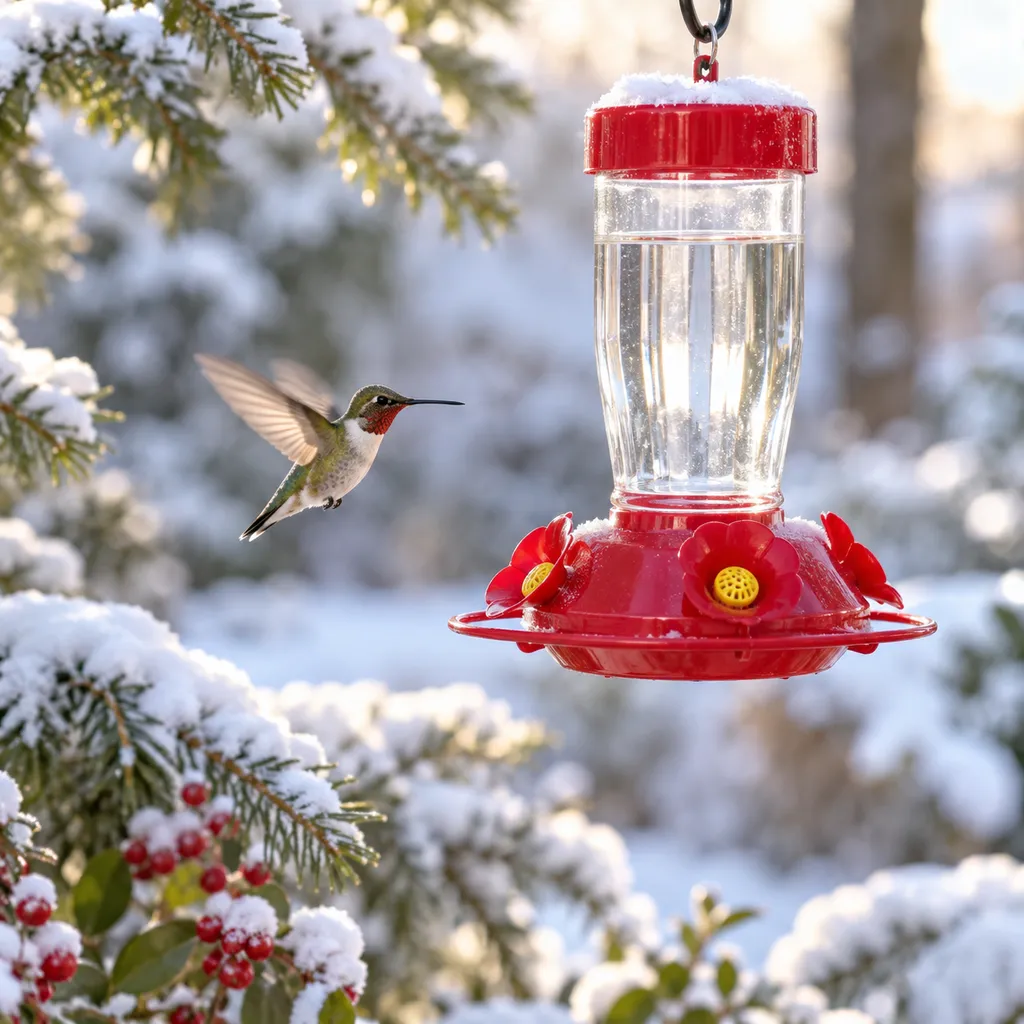
Winter hummingbird feeding can help resident birds and late migrants, but the nectar stays simple: the 4:1 ratio, clear solution, no dye, and a freshness routine you can keep.
12 guides in this collection.
Winter hummingbird feeding can help resident birds and late migrants, but the nectar stays simple: the 4:1 ratio, clear solution, no dye, and a freshness routine you can keep.
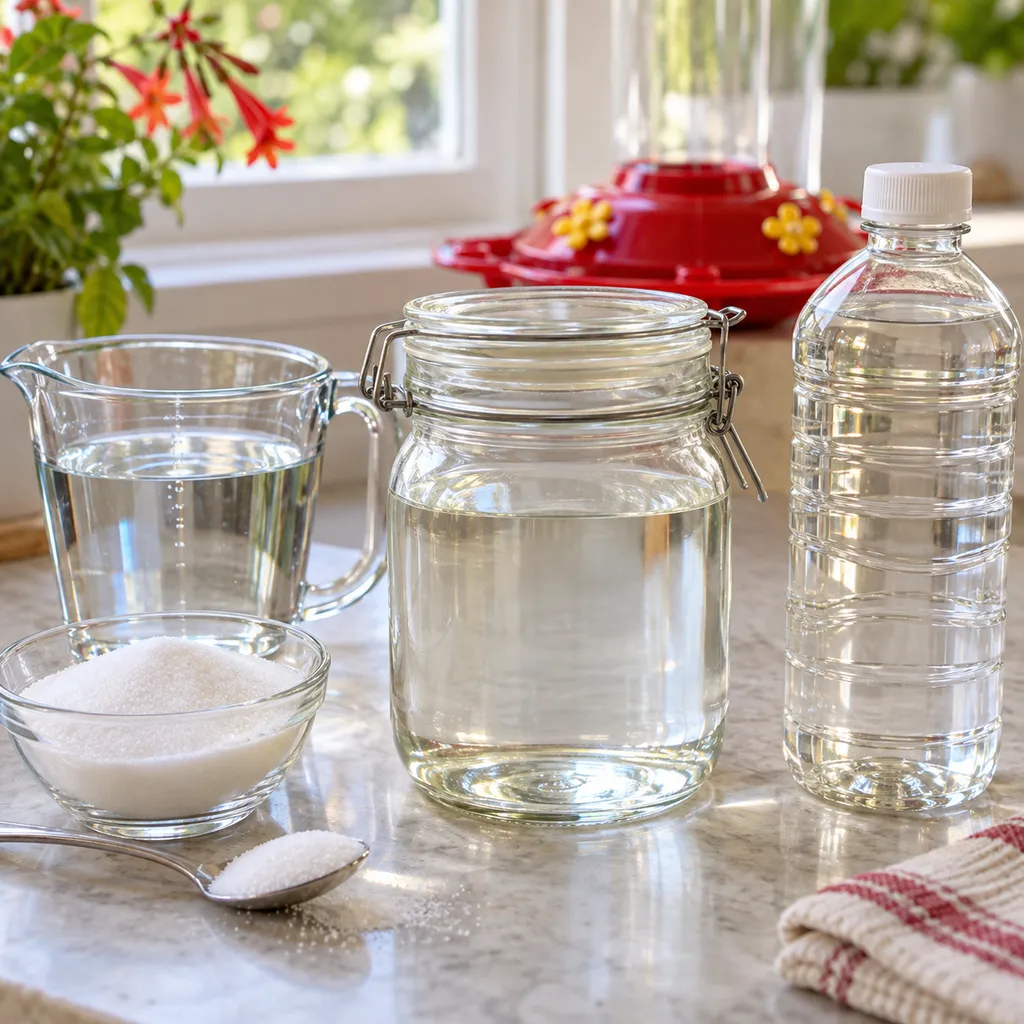
You can freeze fresh 4:1 hummingbird nectar in clean, sealed containers, then thaw it in the refrigerator and use it promptly.
A practical comparison of homemade hummingbird nectar and store-bought mixes, with clear rules for ingredients, freshness, cost, and convenience.
November hummingbirds are not all the same: location, species, weather, flowers, and migration timing decide what your sighting means.
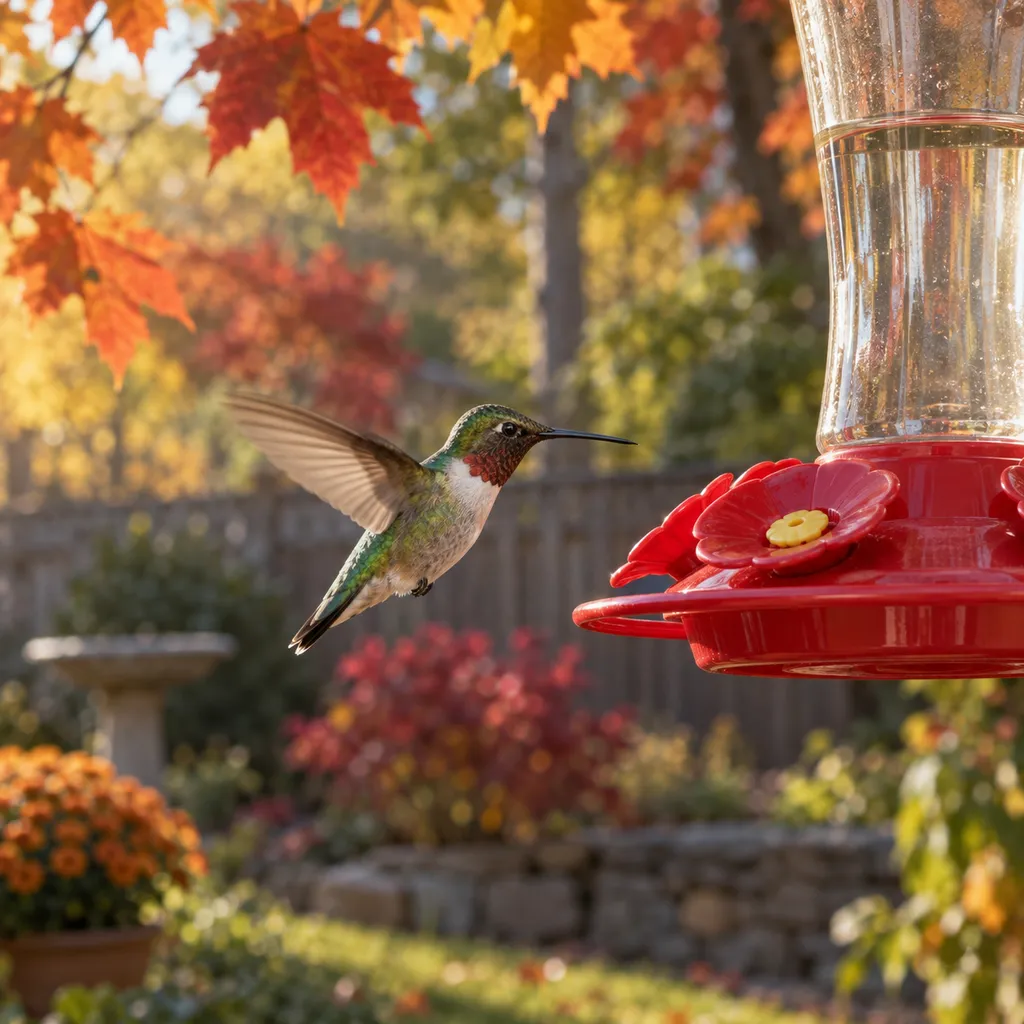
A fall feeding guide for hummingbirds, covering the 4:1 nectar ratio, freshness, migration timing, late visitors, and why clean feeders can help birds still moving through.
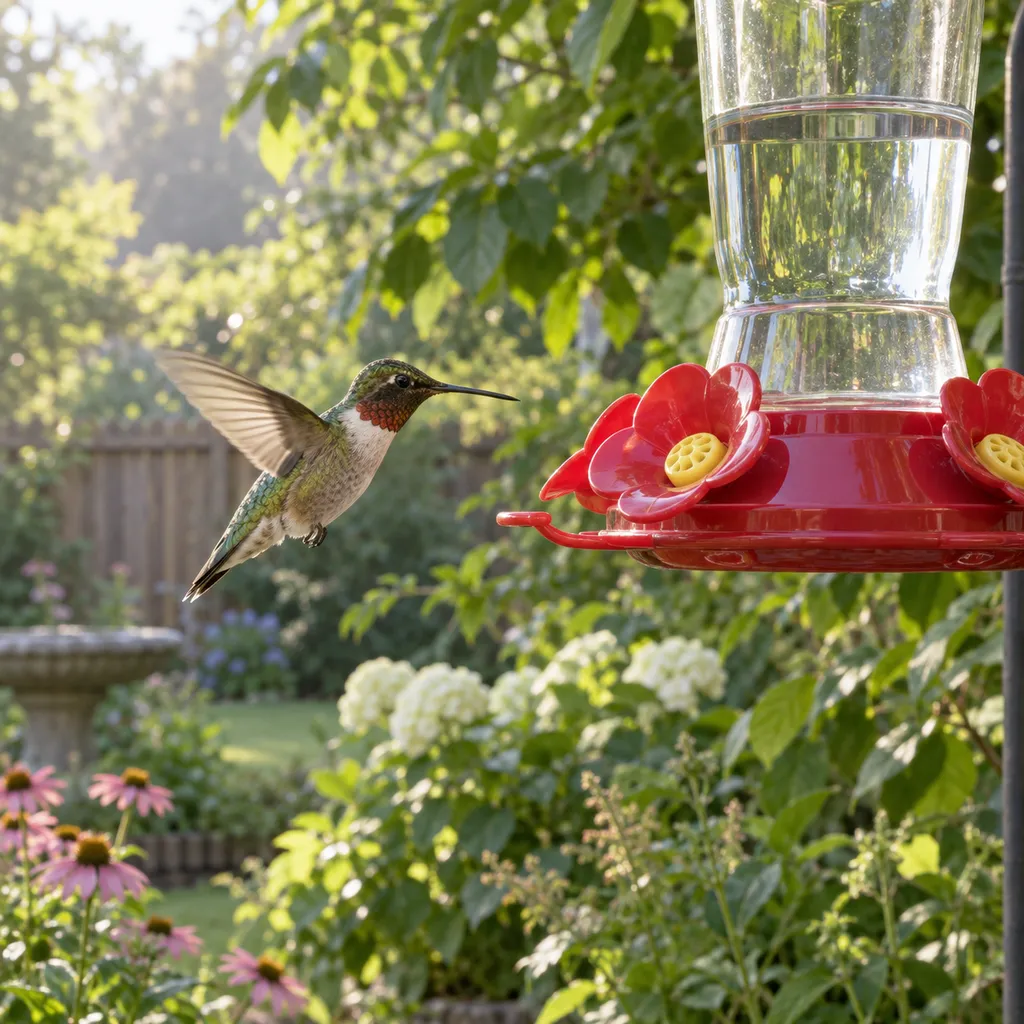
Red dye is unnecessary in hummingbird nectar. Clear 4:1 sugar water and red feeder parts are enough to help hummingbirds notice a feeder.
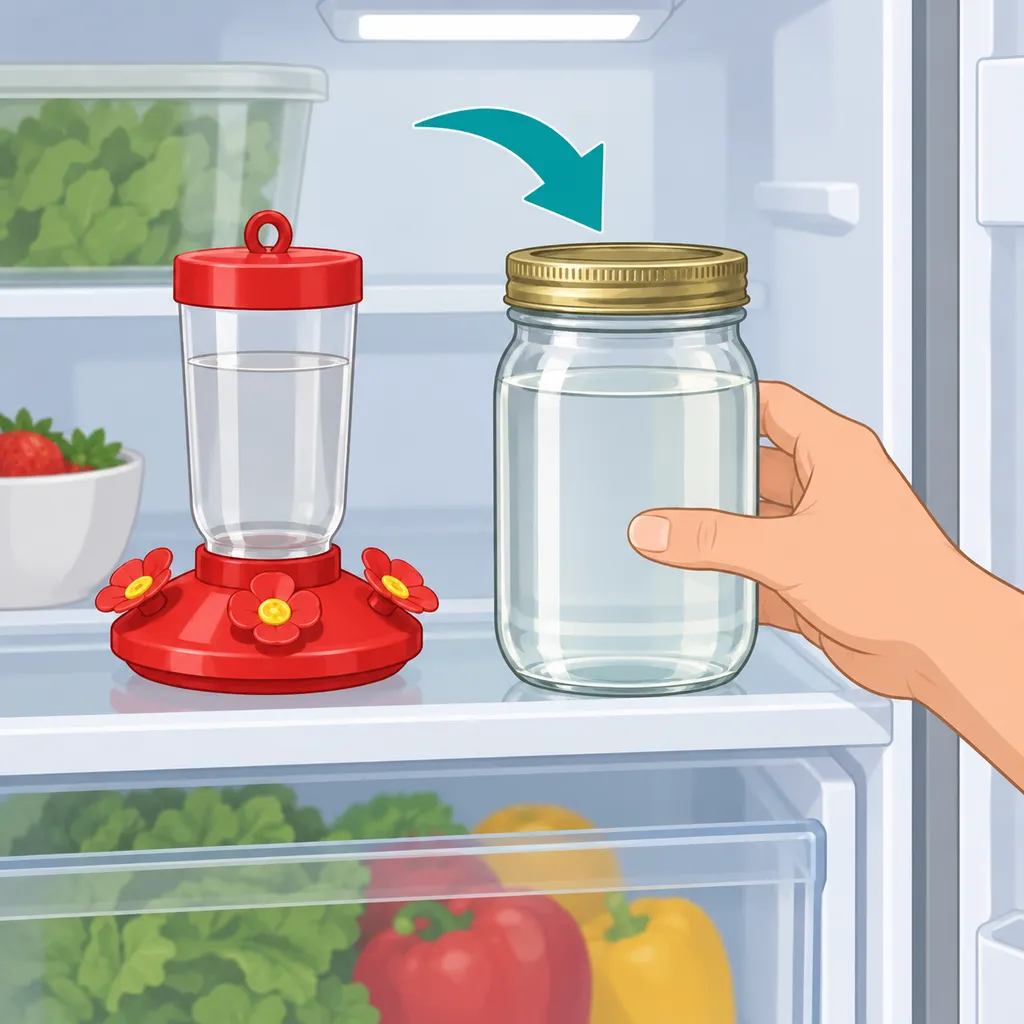
Homemade 4:1 hummingbird nectar lasts up to about one week in the fridge when stored covered and clean, but it should be discarded sooner if it turns cloudy, smells sour, looks stringy, or shows mold.
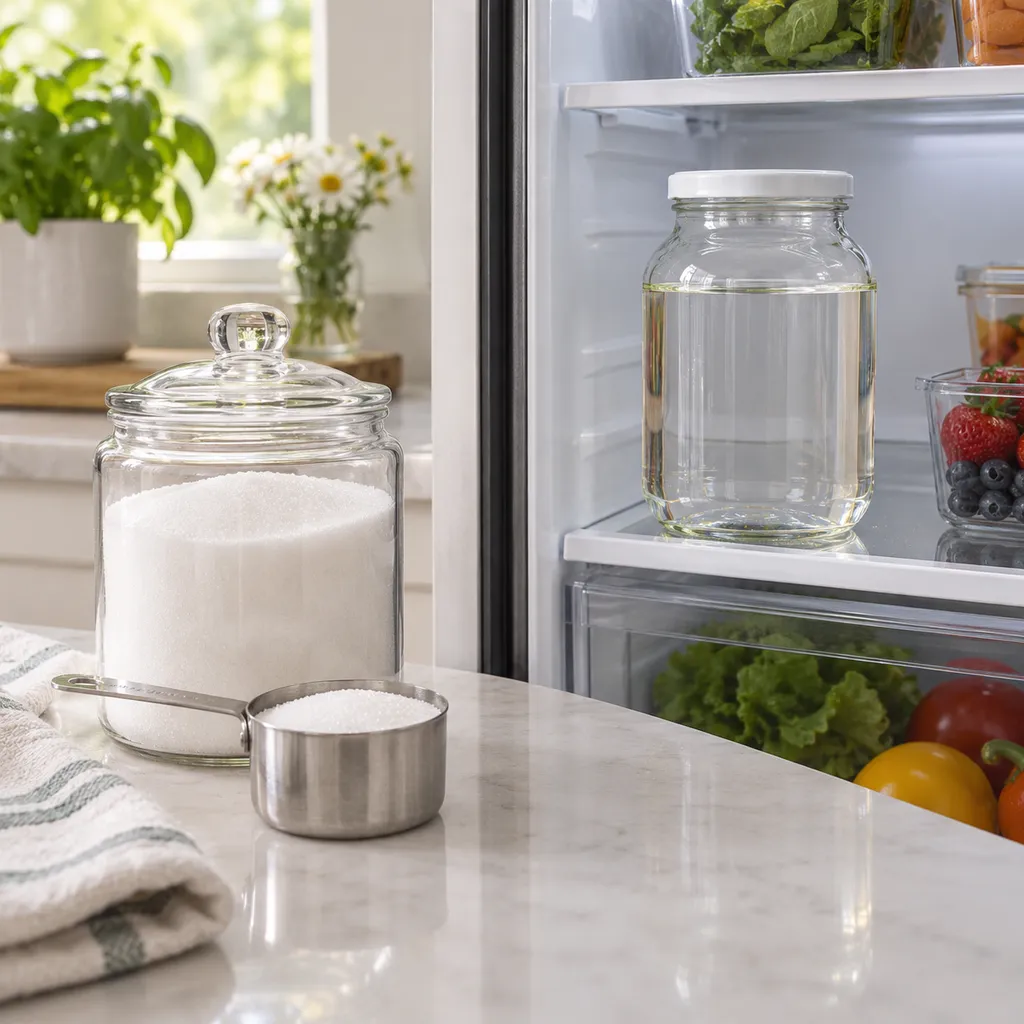
Store homemade hummingbird nectar in a clean, covered container in the refrigerator and use it within about one week.
You do not have to boil water for hummingbird nectar, but hot water can help dissolve sugar and is useful when making extra nectar to refrigerate.
Use this temperature-based schedule for fresh hummingbird nectar, plus the signs that mean the feeder should be emptied and cleaned right away.
The safe sugar for hummingbird food is plain white table sugar. Keep the 4:1 ratio, skip dyes and alternative sweeteners, and refresh nectar before it spoils.
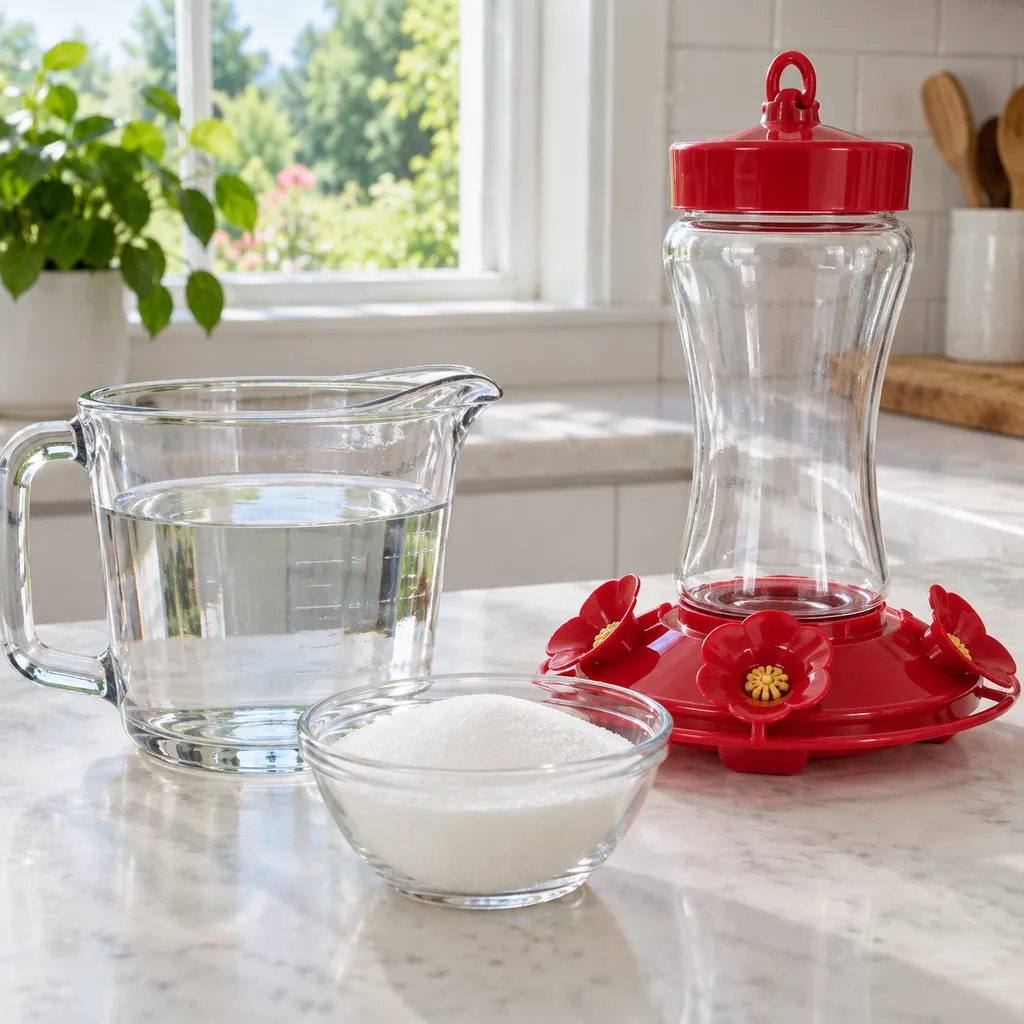
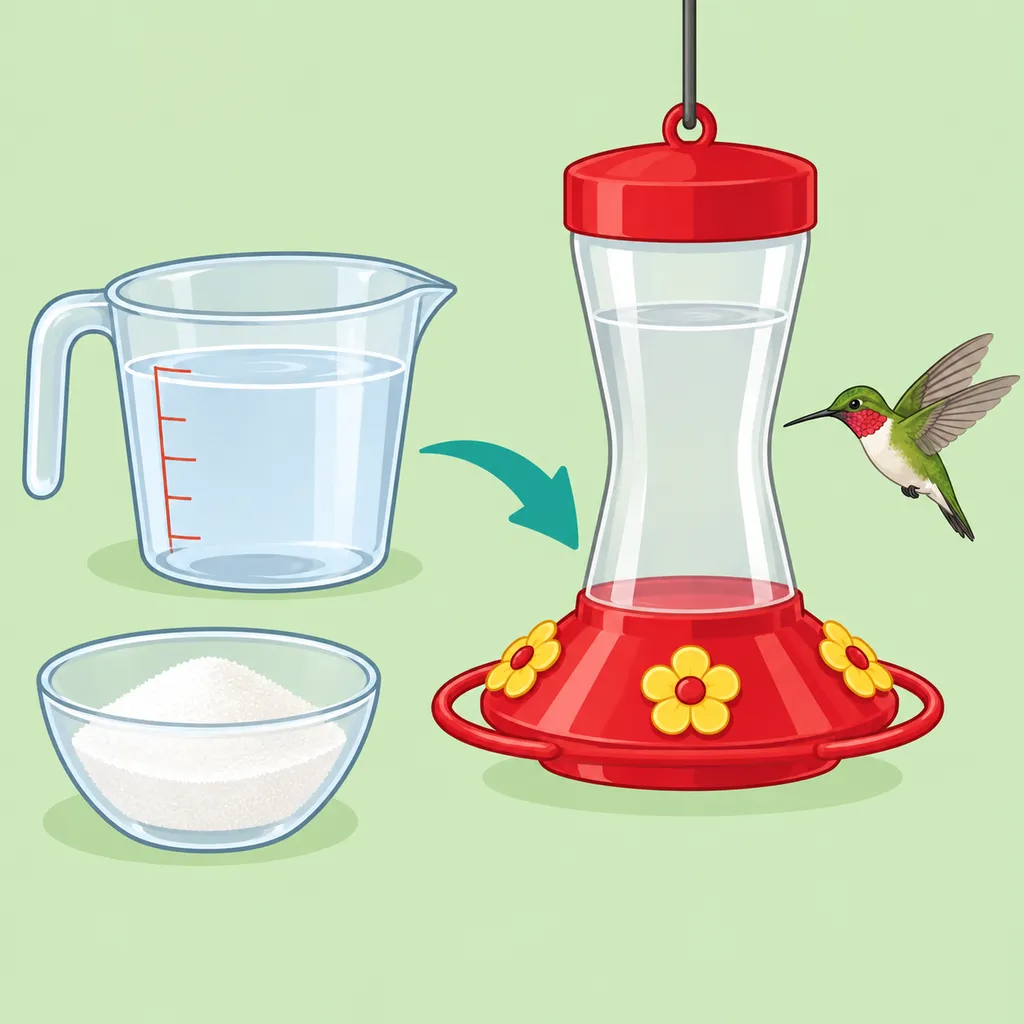
Use the 4:1 ratio for homemade hummingbird food: plain white sugar dissolved in clean water, served clear and changed often.