
 Pin it
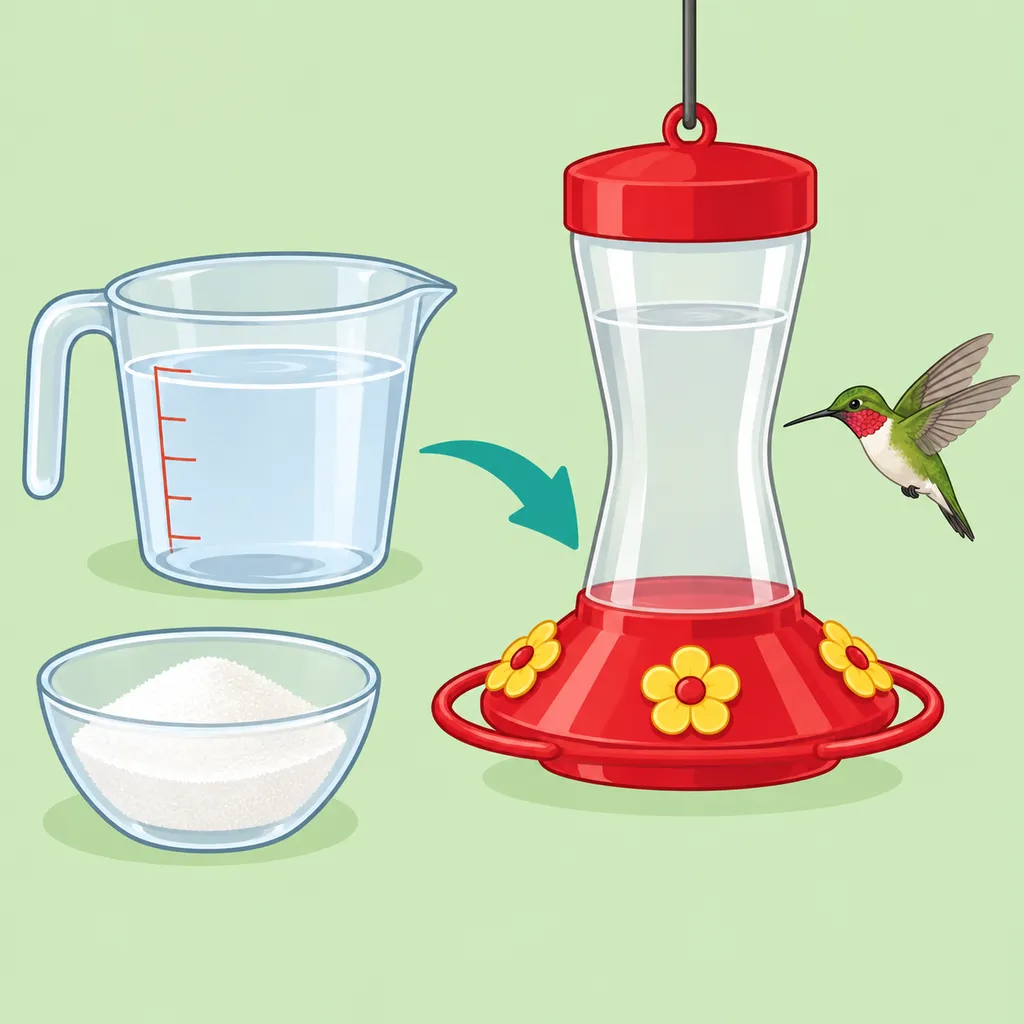
Homemade hummingbird food is simple: plain white table sugar and clean water mixed at the 4:1 ratio. This guide shows you how to make clear nectar, what ingredients to avoid, how to store extra, and when to replace it so the feeder stays fresh.
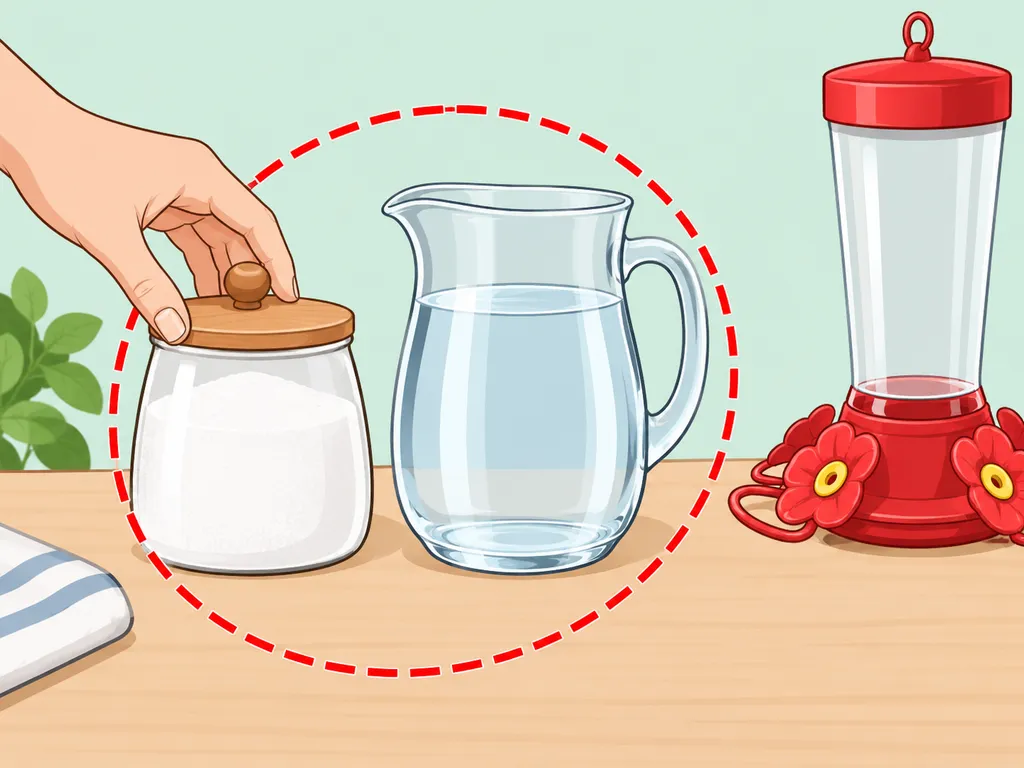
Use only plain white table sugar and clean water
Start with refined white table sugar and water, the two ingredients recommended by the Smithsonian National Zoo. Do not use specialty sweeteners or colored mixes; hummingbird nectar should look clear, like water.
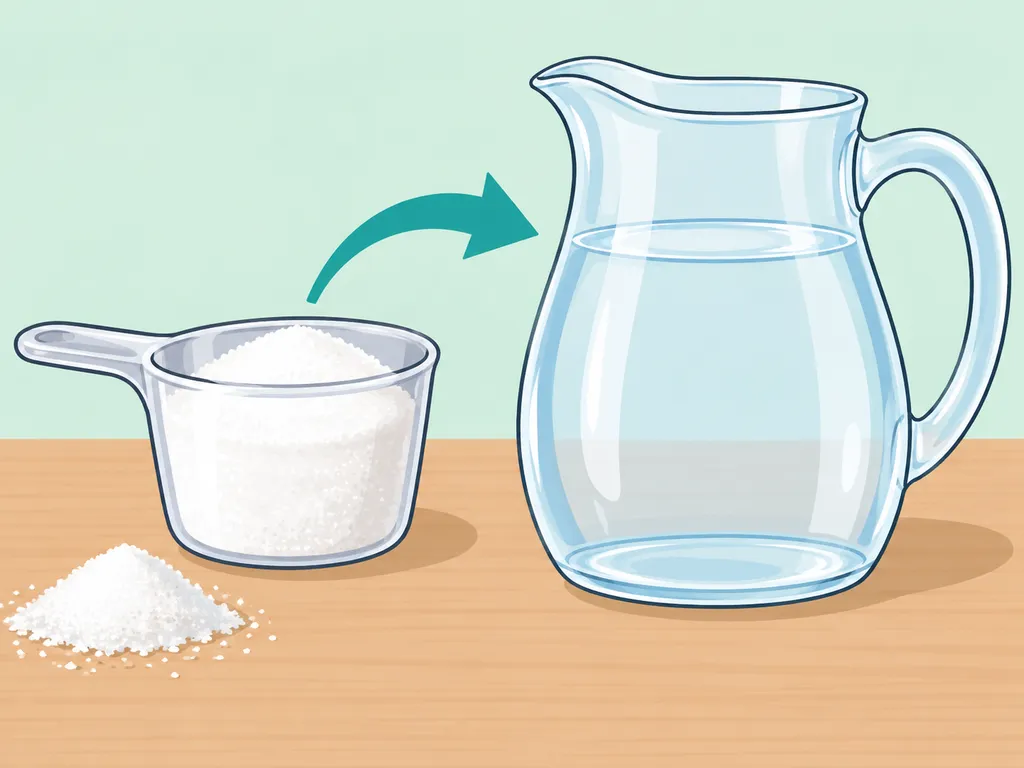
Measure the 4:1 ratio
Use the 4:1 ratio every time: 1 part sugar to 4 parts water. For a small batch, mix 1/4 cup sugar with 1 cup water; for a larger batch, mix 1 cup sugar with 4 cups water, matching the proportions used by Audubon.
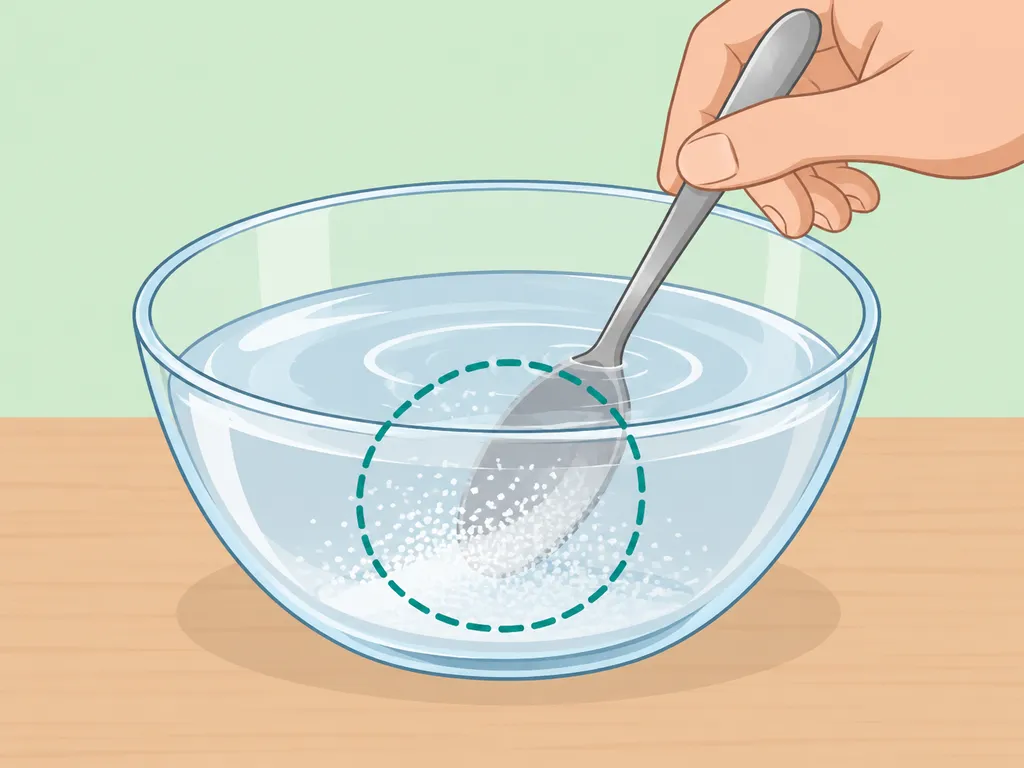
Dissolve the sugar completely
Stir the sugar into the water until no crystals remain. Boiling is optional; the Smithsonian says water does not have to be boiled, while Cornell notes that warm or boiling water can help when making a larger refrigerated batch.
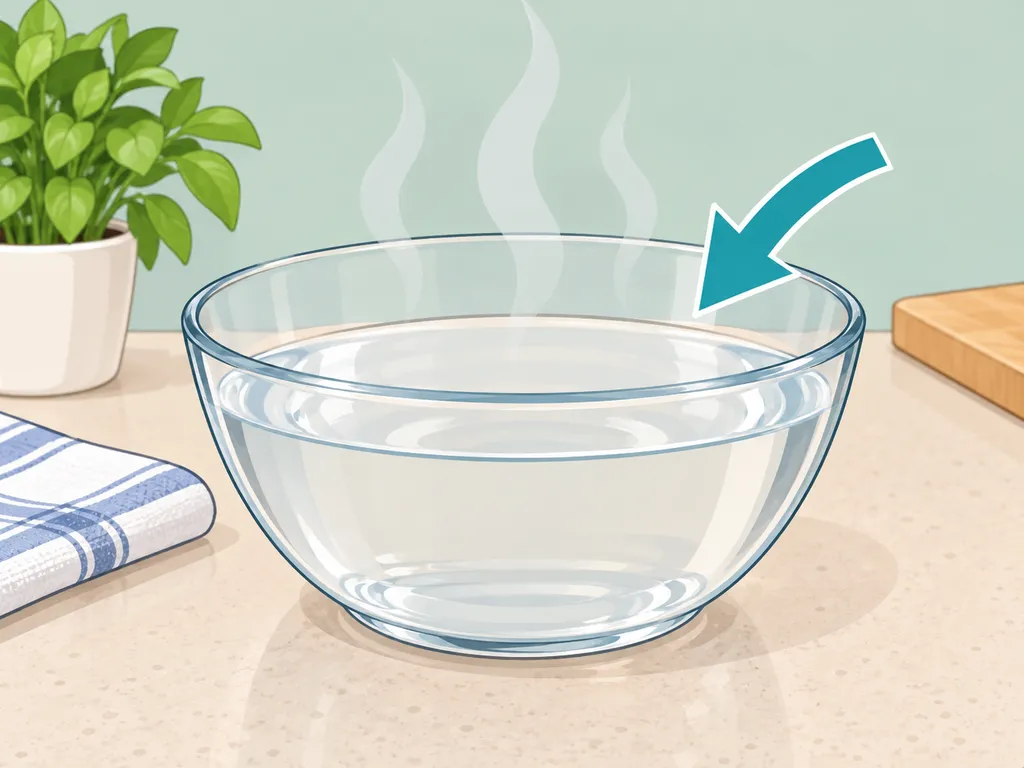
Let the nectar cool before filling
If you used warm or boiled water, let the nectar cool to room temperature before it goes outside. Clemson Extension also advises letting homemade nectar cool before filling a feeder, so the liquid is ready for birds to drink safely.
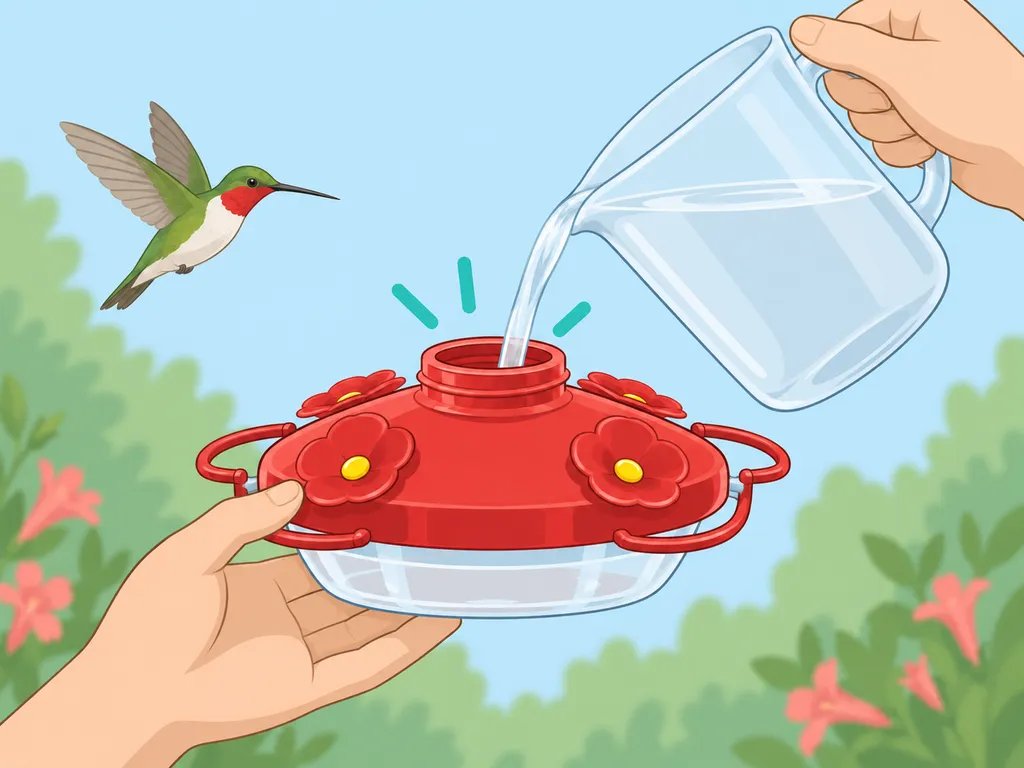
Fill a clean feeder with clear nectar
Pour the cooled nectar into a clean feeder, using only as much as the birds are likely to finish before the next change. At every refill, clean the feeder with hot water and a bottle brush, and clear the ports with a small brush so old nectar does not remain in small openings.
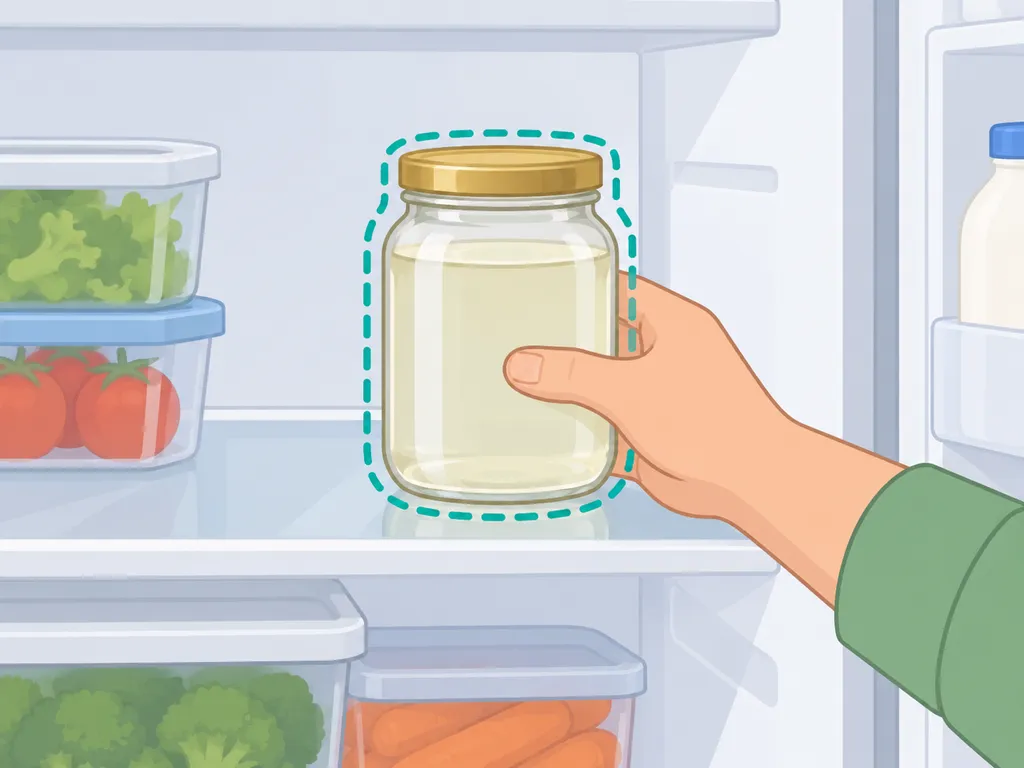
Refrigerate extra nectar in a covered container
Put leftover nectar in a clean, covered container in the refrigerator. The Smithsonian recommends storing extra sugar water for no more than one week, and discarding it sooner if you see mold or cloudiness.
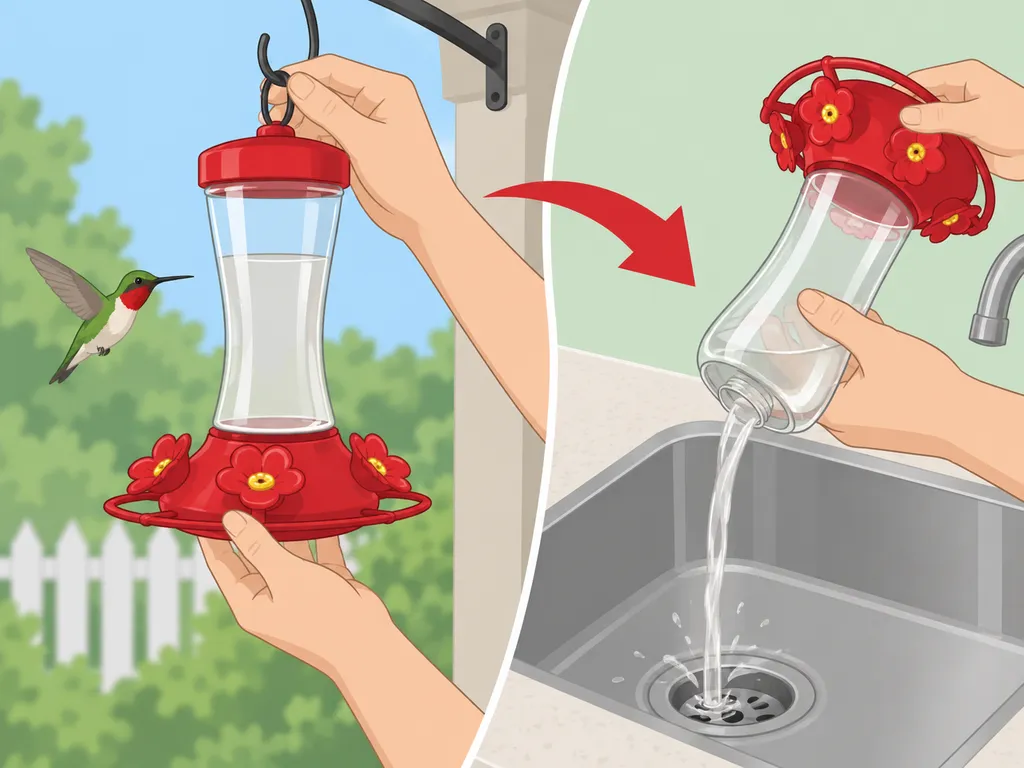
Replace nectar before it spoils
Heat makes nectar spoil faster, so change it about every 1-2 days above 90°F, every 2-3 days in the 80s°F, and every 4-6 days in cooler weather. Clemson Extension says nectar should be changed daily above 90°F, and Audubon recommends cleaning right away if nectar looks cloudy.
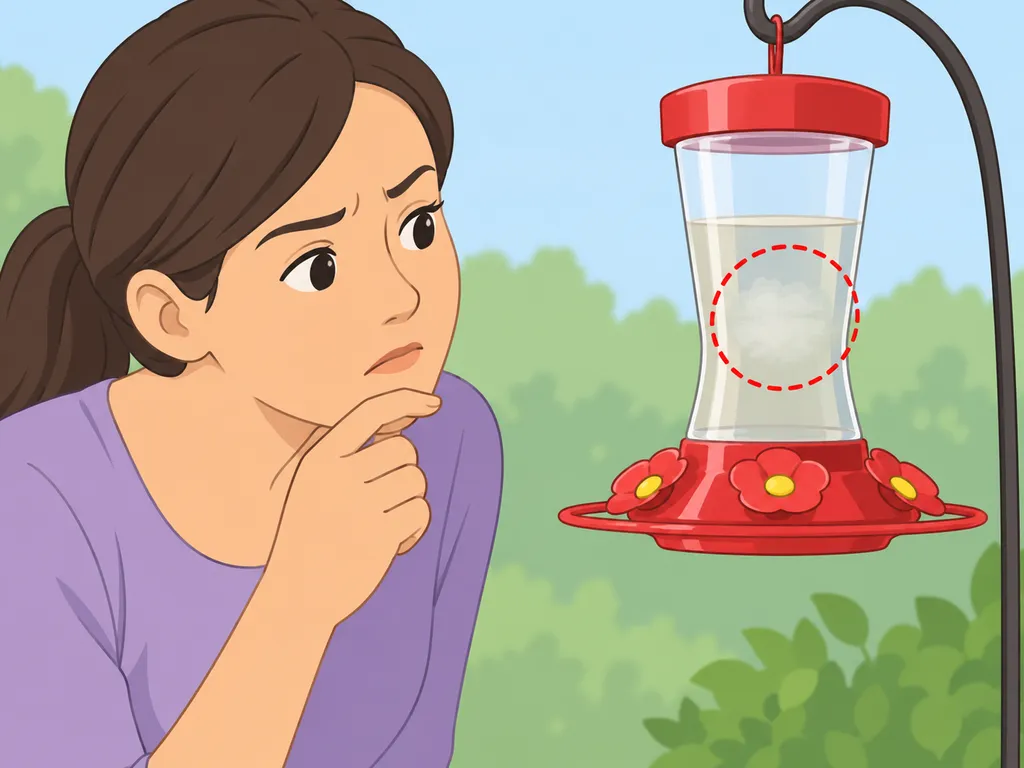
Watch for signs the nectar has gone bad
Empty the feeder immediately if the nectar turns cloudy, stringy, or sour-smelling, or if you see mold or dark specks in the feeder. The U.S. Fish and Wildlife Service warns that sugar water can mold and ferment, so freshness matters as much as the recipe.
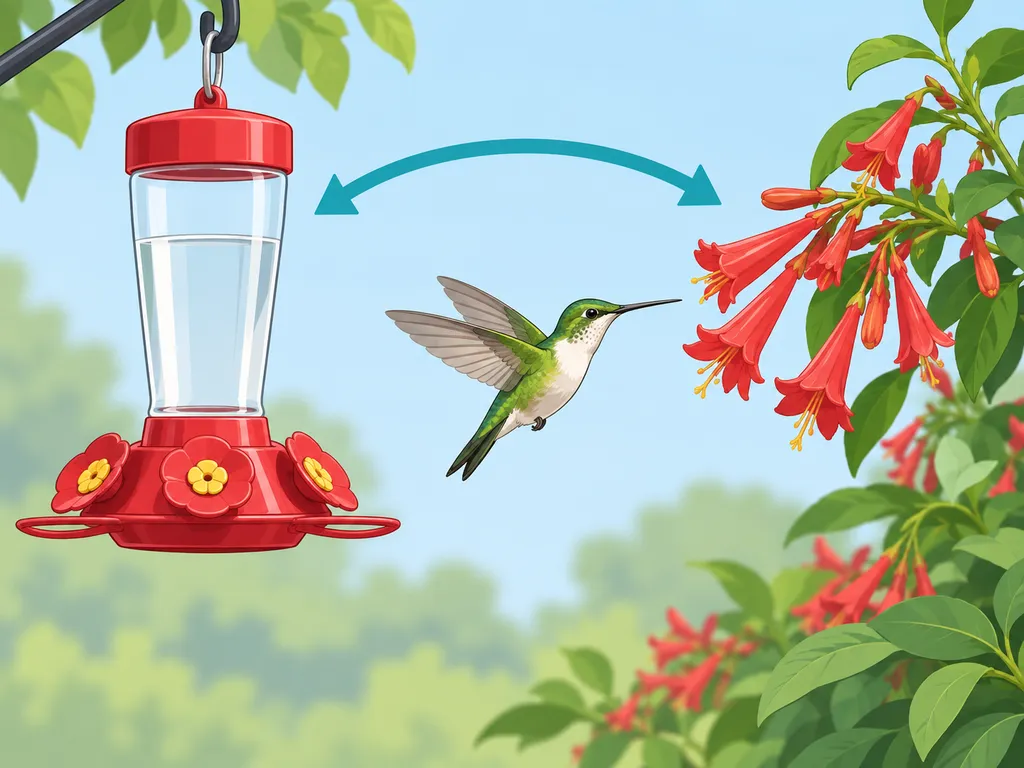
Keep the same recipe in every season
Stay with the 4:1 ratio in spring, summer, fall, and winter instead of making stronger seasonal mixes. For a better food supply overall, pair fresh nectar with native tubular flowers and a yard that supports tiny insects and spiders, since the Forest Service notes that hummingbirds also need insects in their diet.
The Bottom Line
The bottom line: the best hummingbird food recipe is the 4:1 ratio, made with plain white table sugar and water only. Keep it clear, cool it before serving, refrigerate extra for up to about a week, and change outdoor nectar more often as temperatures rise.
Frequently Asked Questions
What is the best hummingbird food recipe?
The standard recipe is the 4:1 ratio: 1 part plain white table sugar dissolved in 4 parts water. For example, use 1/4 cup sugar with 1 cup water, or 1 cup sugar with 4 cups water.
Do I need to boil hummingbird nectar?
No. Boiling is optional if your water is safe to drink and the sugar dissolves fully. Warm or boiled water can make dissolving easier, but the nectar must cool before it goes into the feeder.
Can I use tap water for hummingbird food?
Yes, tap water is fine in most homes if it is safe for people to drink. The Smithsonian says tap water can be used for hummingbird nectar.
Why should hummingbird nectar be clear?
Natural flower nectar is clear, and red dye is not needed. Use a feeder with red parts instead of coloring the liquid.
How long can homemade hummingbird food stay in the refrigerator?
Store extra nectar in a clean, covered container in the refrigerator for up to about one week. Discard it sooner if it looks cloudy or shows any mold.
How often should I change hummingbird nectar?
Change it about every 1-2 days above 90°F, every 2-3 days in the 80s°F, and every 4-6 days in cooler weather. Replace it immediately if it looks cloudy, stringy, moldy, or smells sour.
Is sugar water all hummingbirds need?
No. Nectar gives quick energy, but hummingbirds also eat small insects and spiders. A feeder should supplement a yard with flowers and natural food sources, not replace them.
Sources
This guide was researched using these sources.
- https://www.nationalzoo.si.edu/migratory-birds/hummingbird-nectar-recipe
- https://www.allaboutbirds.org/news/feeding-hummingbirds
- https://www.audubon.org/magazine/hummingbird-feeding-faqs
- https://www.audubon.org/community-science/hummingbirds/how-create-hummingbird-friendly-yard
- https://hgic.clemson.edu/17755-2
- https://www.fws.gov/sites/default/files/documents/2025-01/01.29.2025-learn-more-about-bird-feeding-vyfwc.pdf
- https://www.audubon.org/magazine/turn-your-yard-hummingbird-spectacular