
 Pin it
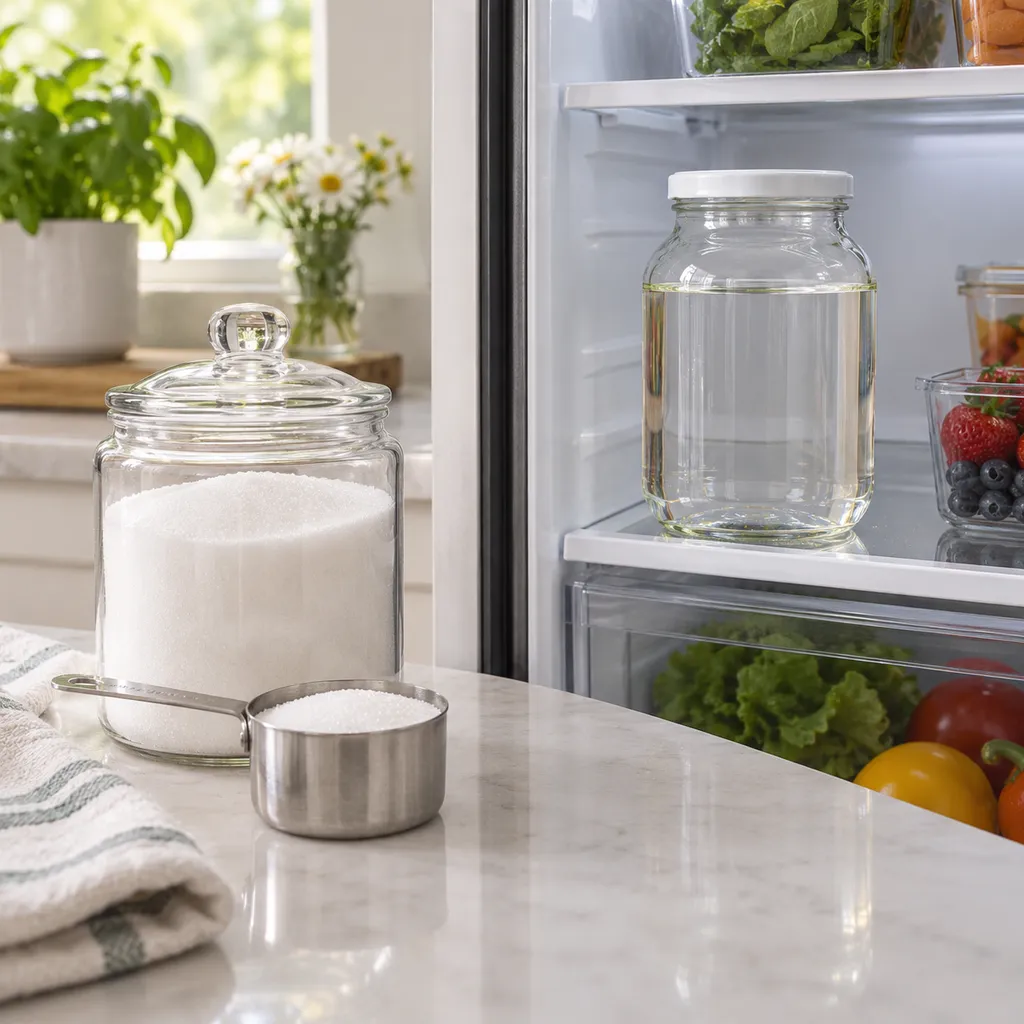
Hummingbird nectar lasts up to about one week in the fridge. The cleanest rule is simple: make only as much 4:1 nectar as you can use within seven days, keep the extra in a clean covered container, and throw it out sooner if anything looks or smells off. The Smithsonian National Zoo says extra sugar water for hummingbird feeders can be refrigerated but should not be stored for more than one week, and that moldy stored nectar should be discarded rather than rescued or diluted. That fridge clock is different from the outdoor feeder clock, which is much shorter in warm weather.
The Short Fridge Answer
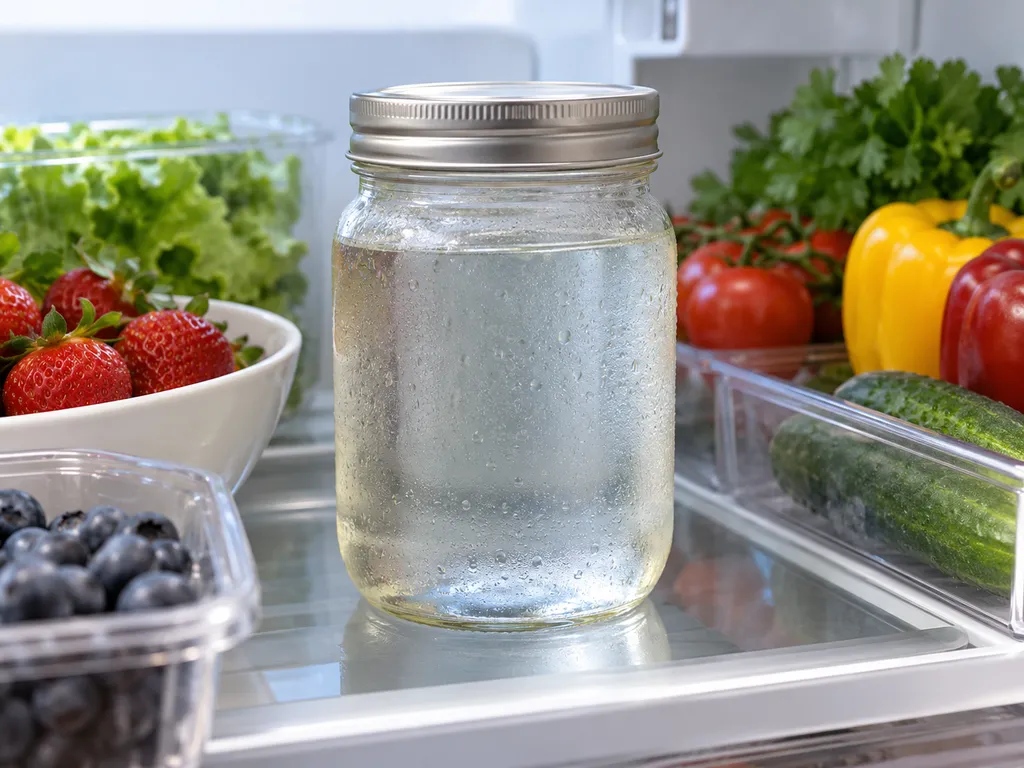
The practical fridge limit is one week, not because the sugar water suddenly changes at a precise minute, but because homemade nectar is a simple water-and-sugar mixture with no preservative. A week gives you a conservative storage window that matches a major bird-care authority: the Smithsonian National Zoo recommends refrigerating extra hummingbird sugar water for no more than one week and replacing it if mold appears https://www.nationalzoo.si.edu/migratory-birds/hummingbird-nectar-recipe. For a backyard routine, that means a batch made on Sunday should be used or discarded by the next Sunday, even if it still looks clear.
What Up To A Week Means
Use the one-week limit for nectar that has stayed indoors, cold, covered, and untouched by feeder ports, bird bills, insects, rain, and outdoor heat. It does not mean a full feeder can sit outside for a week. Cornell Lab’s All About Birds notes that sugar water in feeders should not be left out for more than two or three days, and should be changed daily in very hot weather https://www.allaboutbirds.org/news/feeding-hummingbirds/. The fridge buys time before the nectar goes outside; it does not reset the outdoor replacement schedule once the feeder is filled.
How To Store A Batch Correctly
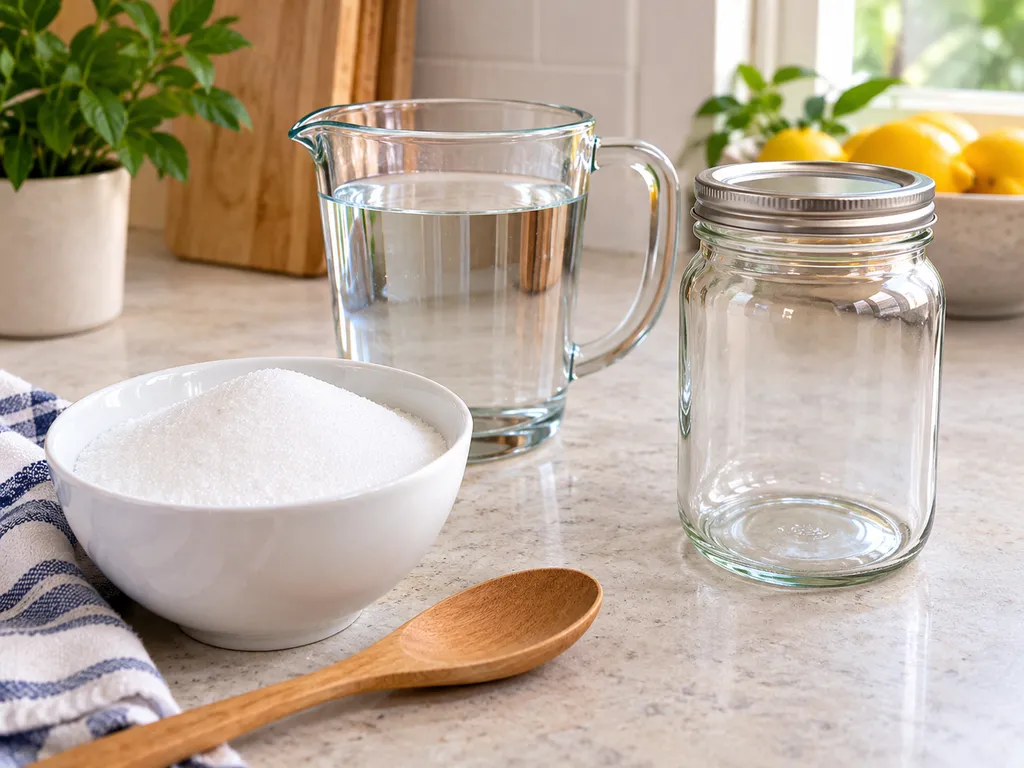
Start with the standard 4:1 ratio: 1 part plain white table sugar to 4 parts water. The Smithsonian gives this same basic recipe and says red dye is not needed, while Audubon also describes a sugar-water solution made with one part white sugar and four parts water, with unused mixture stored in the refrigerator https://www.audubon.org/news/the-audubon-guide-attracting-hummingbirds-and-orioles. Boiling is optional for dissolving the sugar; if you heat the water, let the nectar cool completely before filling a feeder or putting a covered container in the fridge.
A good storage routine is deliberately plain:
- Use only plain white table sugar and clean water.
- Store extra nectar in a clean glass jar, food-safe bottle, or covered pitcher.
- Label the container with the date you made it, especially if you prepare more than one refill.
- Keep it in the refrigerator, not on the counter, porch, garage shelf, or sunny windowsill.
- Pour only what you need into a freshly cleaned feeder, then return the remaining covered nectar to the fridge promptly.
That small amount of order prevents the most common problem: forgetting which batch is fresh and which one has been sitting longer than it should.
When To Throw Refrigerated Nectar Out Early
Do not rely only on the calendar. Discard refrigerated nectar before the one-week mark if it turns cloudy, develops floating strands, smells sour, shows mold, has black specks, or looks different from the clear liquid you made. Good nectar should look like water, even though it contains dissolved sugar. Do not boil old nectar to reuse it, top it off with fresh nectar, or add more sugar to cover a stale smell. If the batch seems questionable, the useful answer is to make a new small batch.
Why A Clean Covered Container Matters
A clean container protects the nectar from crumbs, old residue, refrigerator odors, and repeated hand contact. It also keeps the concentration stable by limiting spills and evaporation around the rim. The container does not have to be fancy; it just has to be washed, rinsed, and covered. Avoid storing nectar in a jug that previously held juice, syrup, milk, or a strongly scented food unless it has been thoroughly cleaned, because leftover flavor, residue, or odor is not part of a hummingbird nectar recipe. The goal is boring nectar: clear, plain, cold, and easy to pour.
Fridge Time Is Not Feeder Time
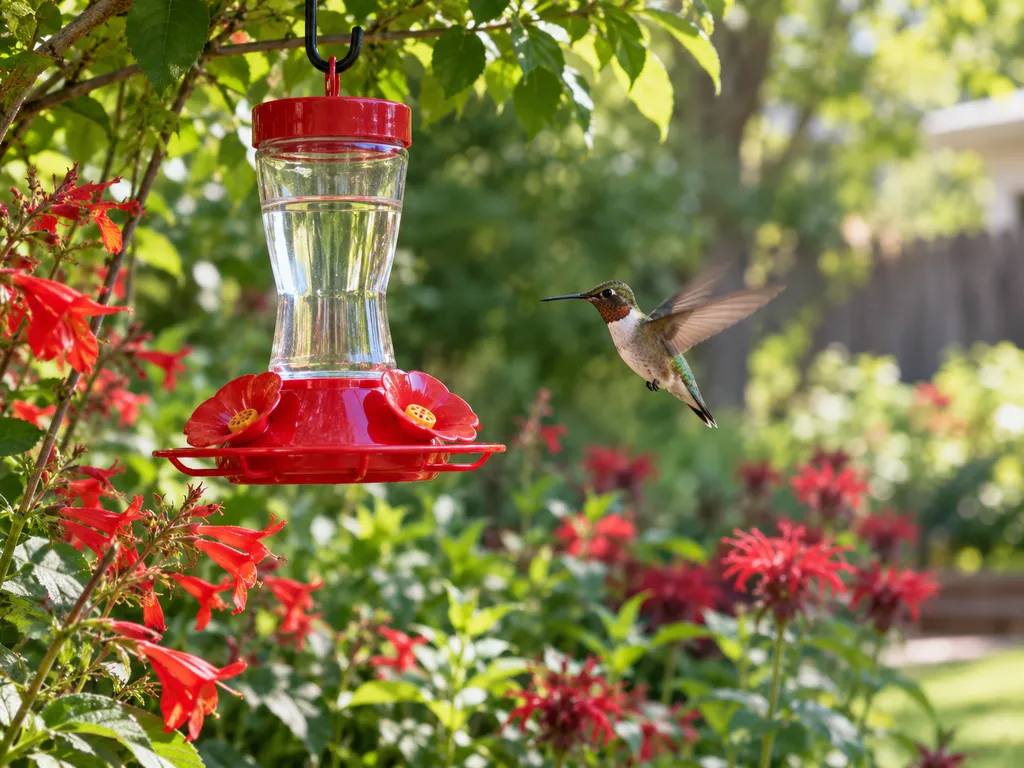
Once nectar goes into a feeder, the outdoor schedule takes over. Heat, direct sun, rain splash, insects, and bird visits all make feeder nectar age faster than the covered batch in the refrigerator. As a working rule, change nectar about every 1 to 2 days above 90°F, every 2 to 3 days in the 80s°F, and every 4 to 6 days in cooler weather. Replace it immediately at any temperature if it is cloudy, stringy, sour-smelling, or moldy. Clean the feeder at every refill with hot water and a bottle brush, and use a small brush or pipe cleaner for the ports.
How Much Nectar To Make At One Time
The best batch size is the amount your birds and feeder setup can use within one week indoors and within the outdoor change schedule once poured. If you are new to feeding, start small: 1/4 cup sugar plus 1 cup water makes enough for a modest trial batch. If your feeder empties quickly and you are refilling often, a larger batch is fine as long as the extra is dated, covered, refrigerated, and used within the week. Large batches become wasteful when they encourage you to stretch the storage window.
Think of the fridge as a convenience, not a long-term pantry. Hummingbirds visit feeders for quick energy, but feeders are only a supplement to natural flower nectar and the tiny insects and spiders hummingbirds catch in the landscape. The National Park Service describes hummingbirds as pollinators that use long bills and tongues to drink nectar from brightly colored flowers, and also notes their role moving pollen from plant to plant https://www.nps.gov/articles/hummingbirds.htm. A small, fresh nectar routine supports that natural feeding pattern better than a large batch that sits too long.
The Ratio Should Stay The Same After Storage
Refrigeration does not change the recipe. Keep the 4:1 ratio in every season, and do not make refrigerated nectar stronger to make it last longer. A stronger mix is not a storage method, and it can leave you guessing about what is actually in the feeder after refills and partial pours. The clean habit is to make the normal 4:1 nectar, refrigerate only the extra, and discard leftovers at the one-week point. If a batch is too large to use by then, make less next time.
Ingredients That Should Not Go Into Stored Nectar
Stored nectar should contain only plain white table sugar and water. Do not use red dye or food coloring; the red parts of a feeder are enough visual signal, and Cornell notes that flower nectar is clear while feeders are often designed with red parts https://www.allaboutbirds.org/news/feeding-hummingbirds/. Do not use honey, brown sugar, raw sugar, turbinado sugar, organic sugar with molasses color, powdered sugar, molasses, maple syrup, agave, fruit juice, sports drinks, artificial sweeteners, or vitamin additives. These are not improvements to fridge life or bird care.
A Simple Weekly Routine
A reliable routine is easier than constant judgment calls. Pick one batch day, make a small amount of clear 4:1 nectar, cool it if you used warm water, and refrigerate the extra in a dated covered container. On refill days, clean the feeder, fill it with fresh nectar, and put the remaining batch back in the fridge. At the one-week mark, discard whatever is left and start again. If warm weather forces daily or near-daily outdoor changes, that is a reason to make smaller batches more often, not a reason to let feeder nectar sit longer.
Bottom Line
For homemade hummingbird nectar, the fridge answer is refreshingly straightforward: up to about one week, covered and cold. The feeder answer is shorter and depends on outdoor conditions. Keep those two clocks separate and you avoid most freshness mistakes. Make plain 4:1 nectar, store extra carefully, refill only clean feeders, and treat any cloudy, stringy, sour-smelling, or moldy nectar as finished. Fresh nectar is a small chore, but it is the whole point of offering sugar water in the first place.
The Bottom Line
Homemade hummingbird nectar can be stored in the fridge for up to about one week. Keep it clear, plain, covered, and dated, and discard it sooner if it changes appearance or smell. Once nectar is in a feeder, replace it on the outdoor schedule instead of relying on the fridge limit.
Frequently Asked Questions
Can I use hummingbird nectar after more than one week in the fridge if it still looks clear?
No. Use one week as the limit for refrigerated homemade nectar. Clear appearance is useful, but it is not a reason to extend the storage window. Discard the old batch and make fresh 4:1 nectar.
Should hummingbird nectar be stored warm before it goes in the fridge?
No. If you used warm or boiling water to dissolve the sugar, let the nectar cool first, then cover it and refrigerate it. Do not fill a feeder with hot nectar.
Can I freeze extra hummingbird nectar instead of refrigerating it?
Freezing is unnecessary for most backyard routines and can make batch dates easier to lose track of. A smaller fresh batch stored in the fridge for up to one week is simpler and keeps the routine clear.
Does refrigerated nectar last a week once it is poured into the feeder?
No. The one-week limit applies only to extra nectar stored indoors in the fridge. Once it is outside in a feeder, replace it much sooner according to weather and freshness signs.
What is the best container for storing hummingbird nectar in the fridge?
Use a clean covered jar, food-safe bottle, or covered pitcher. A clear container is helpful because you can see whether the nectar still looks clean and clear before refilling.
Sources
This guide was researched using these sources.