
 Pin it
Homemade hummingbird nectar stores well for short periods when it is kept clean, covered, and cold. This guide shows how to store extra clear 4:1 nectar, how long to keep it, and when to discard it before refilling a feeder. For bird safety, store nectar separately from the feeder and clean the feeder at every refill.
Make only standard clear 4:1 nectar
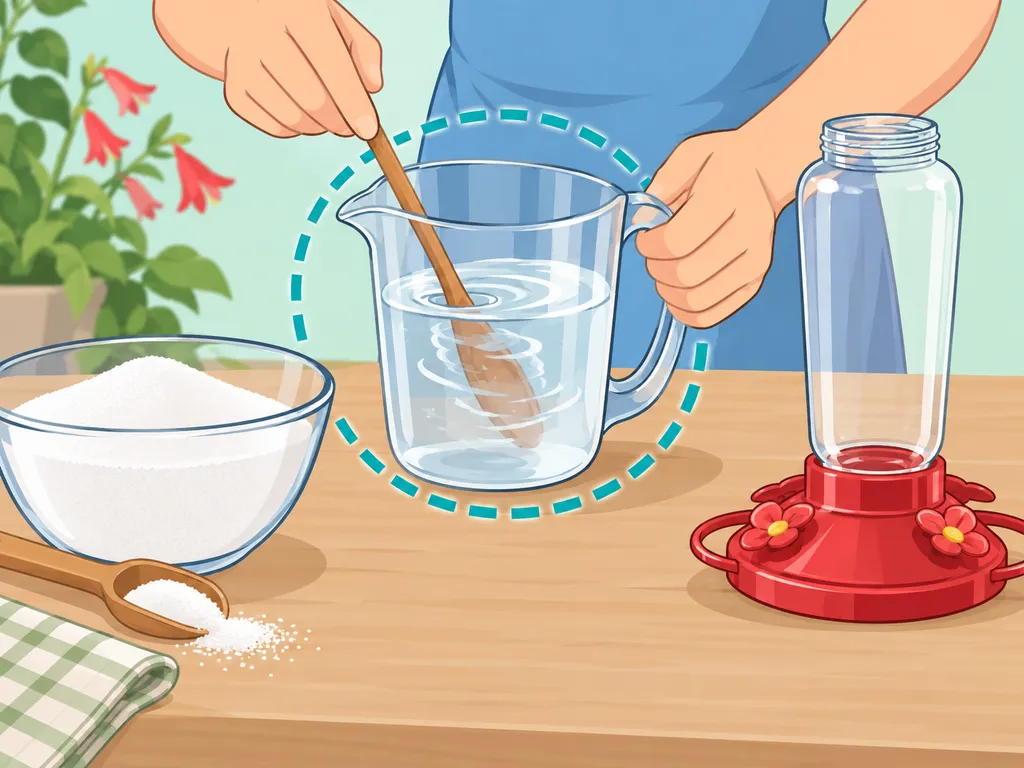
Start with the standard 4:1 ratio: 1 part plain white table sugar to 4 parts water, stirred until fully dissolved. Smithsonian's recipe uses refined white sugar and water only, with no red dye. Do not add honey, brown sugar, raw sugar, turbinado sugar, organic sugar, powdered sugar, syrups, fruit juice, sports drinks, artificial sweeteners, vitamins, or protein additives.
Let the nectar cool completely
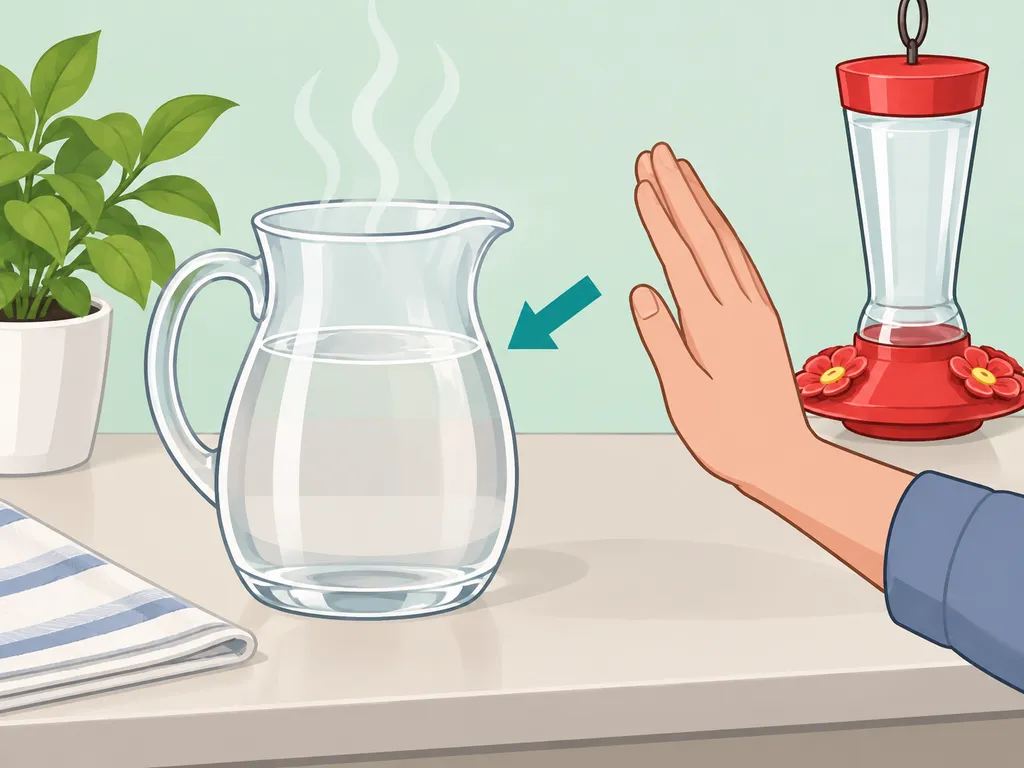
If you warmed or boiled the water to dissolve the sugar, let the nectar cool before storage or feeder use. Clemson Cooperative Extension advises letting sugar water reach room temperature before filling feeders. Cooling first also prevents warm nectar from raising the temperature inside your refrigerator container.
Pour it into a clean covered container
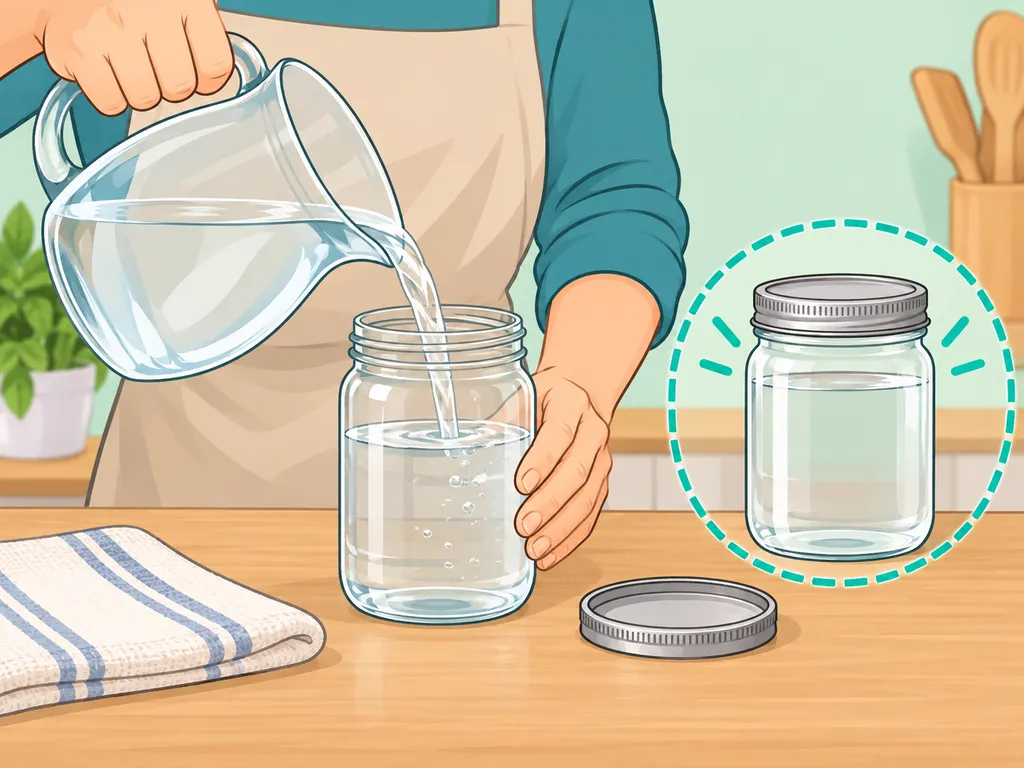
Use a clean glass jar, pitcher, or food-storage container with a tight lid. Keep the container for nectar only if you can, and pour with clean hands and clean utensils so crumbs, dust, and old nectar do not enter the batch. A covered container also helps prevent refrigerator odors or accidental spills from getting into the clear nectar.
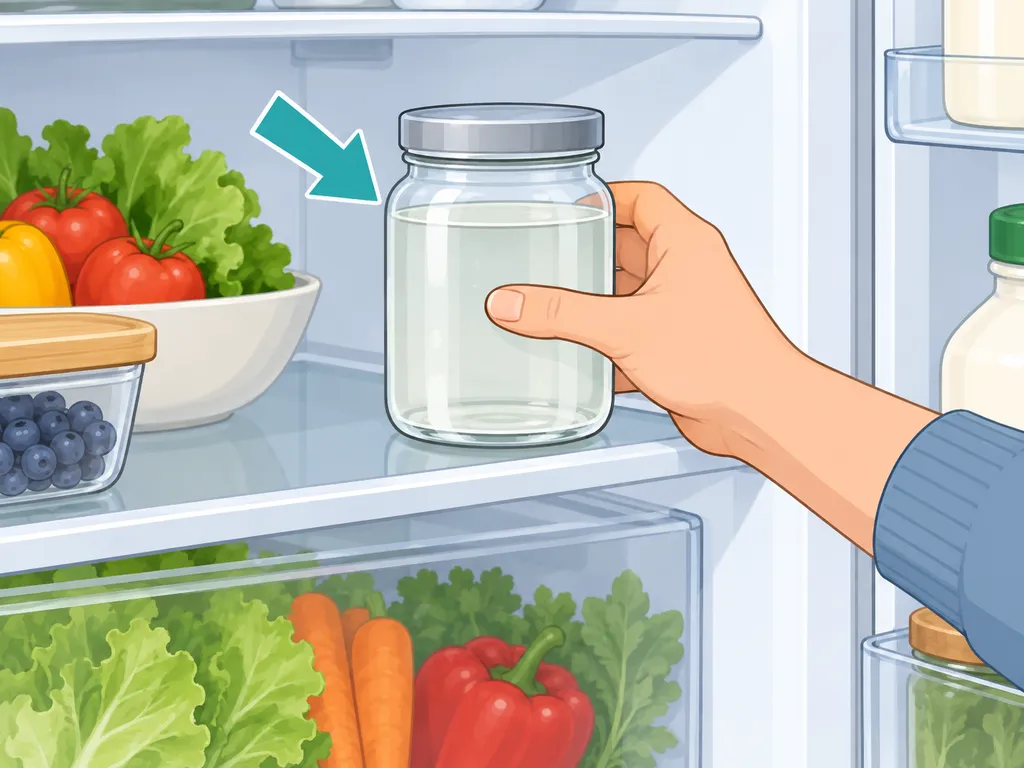
Refrigerate it right away
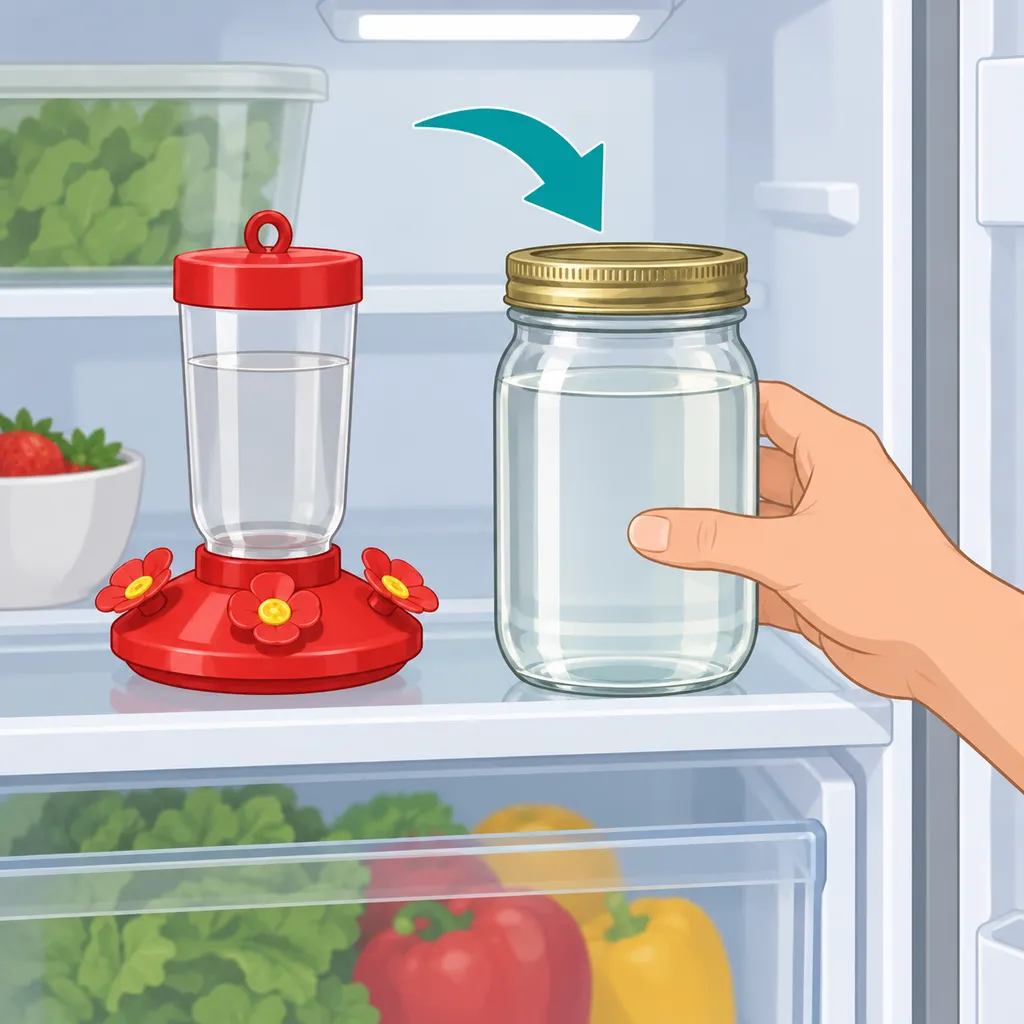
Put the covered container in the refrigerator as soon as the nectar has cooled. Missouri Extension recommends refrigerating leftover portions and changing feeder nectar more often in hot weather. Do not leave a storage batch sitting on the counter for the day, especially in a warm kitchen.
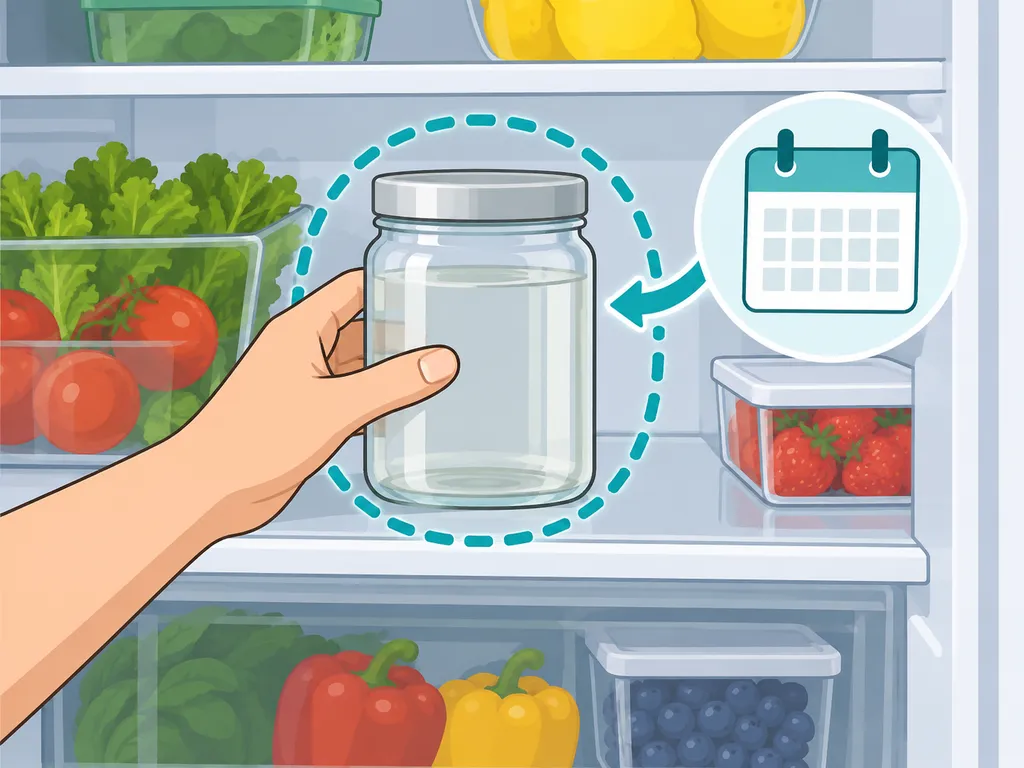
Use refrigerated nectar within one week
Label the container with the date if you make more than one refill's worth. The Smithsonian says extra sugar water should be stored for no more than one week in the fridge, and Missouri Extension gives the same one-week storage limit. After a week, discard what is left and make a fresh batch.
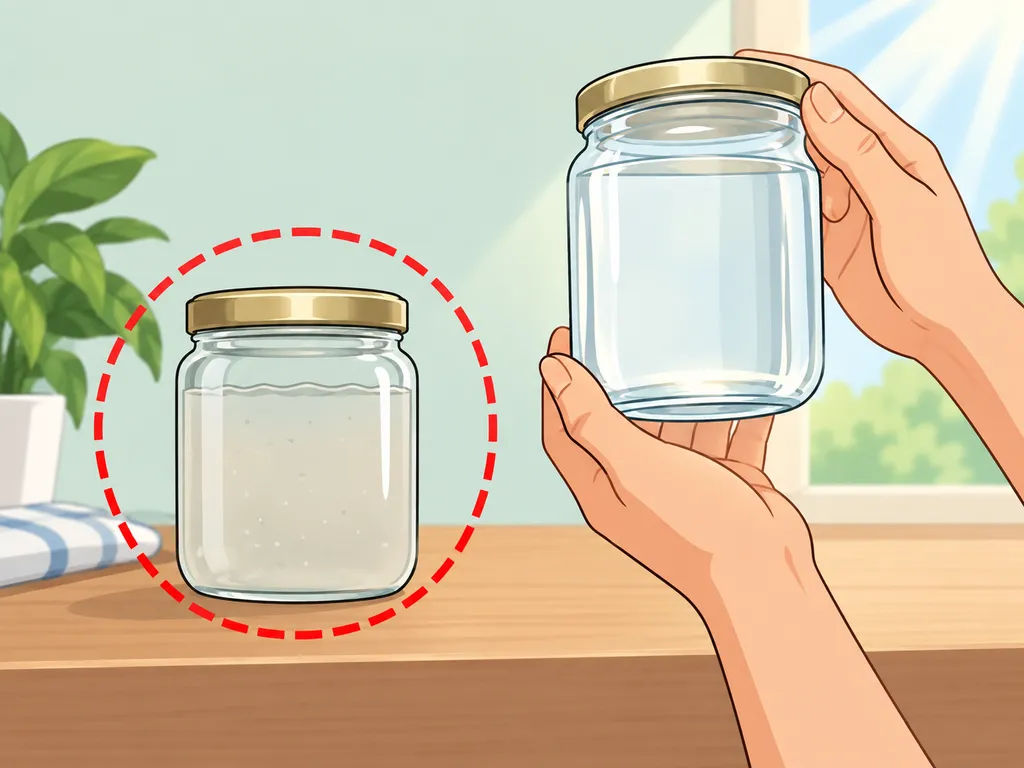
Check stored nectar before every refill
Before you pour, look for cloudiness, stringy strands, dark specks, mold, or a sour smell. If you notice any of these signs, discard the whole batch instead of trying to strain or dilute it. Cornell Lab explains that sugar water can ferment and spoil, especially when conditions are warm.
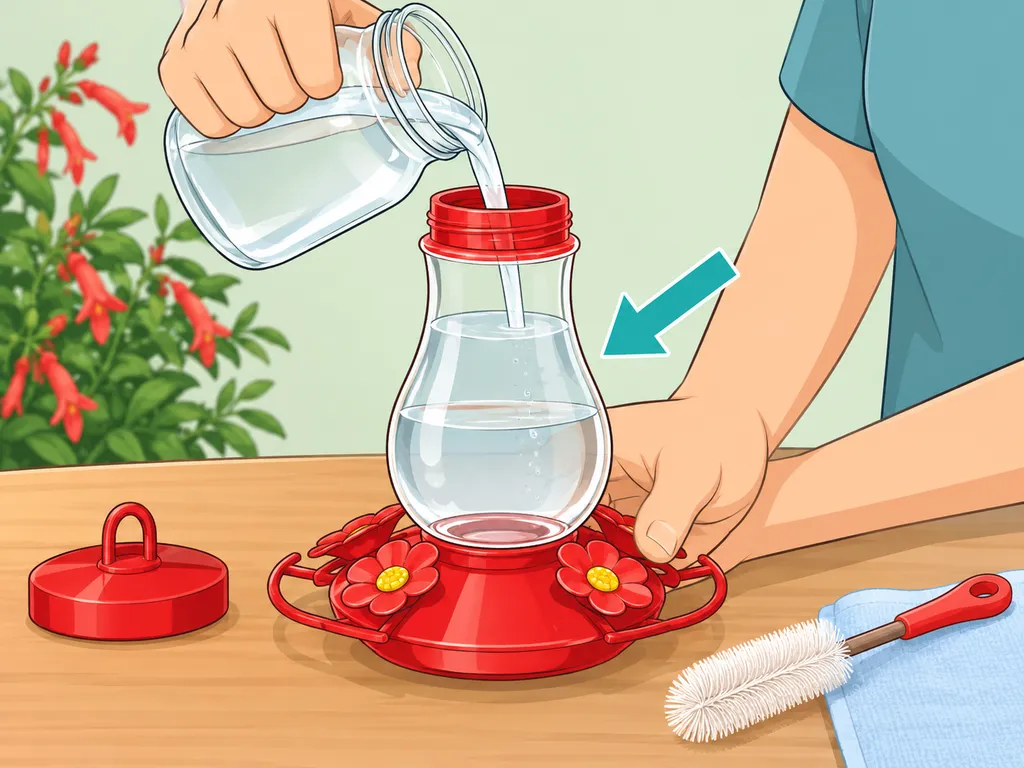
Fill only a clean feeder and plan the next change
Clean the feeder with hot water and a bottle brush before every refill, including the feeding ports. Fill with only as much nectar as the birds can finish before the next change: about every 1-2 days above 90°F, every 2-3 days in the 80s°F, and every 4-6 days in cooler weather. University of Tennessee Extension notes that higher temperatures speed spoilage, so smaller refills are safer than topping off old nectar.
The Bottom Line
The bottom line: make clear 4:1 nectar, cool it, refrigerate it in a clean covered container, and use it within one week. If the stored nectar looks cloudy, stringy, sour-smelling, or moldy, throw it out and make a fresh batch.
Frequently Asked Questions
How long can homemade hummingbird nectar stay in the refrigerator?
Use refrigerated homemade nectar within one week. The Smithsonian's nectar guidance says to discard refrigerated sugar water after that point, or sooner if you see mold.
Should hummingbird nectar be stored in the feeder or in a separate container?
Store extra nectar in a clean, covered container in the refrigerator, not in the feeder. Feeders need to be emptied and cleaned regularly because Cornell Lab notes that sugar water ferments and spoils faster in warm outdoor conditions.
Can I put cold nectar straight into a hummingbird feeder?
It is best to let refrigerated nectar lose its chill before filling the feeder. Clemson Cooperative Extension advises letting stored sugar water reach room temperature before use.
Can I make a big batch for more than one week?
Make only what you can use within about a week. Missouri Extension and the Smithsonian both give one week as the refrigerator storage window for leftover homemade nectar.
Do I need to boil nectar before storing it?
Boiling is optional; it can help sugar dissolve, but the nectar must cool before it goes into a feeder. Cornell Lab says small batches do not need boiling, while larger refrigerated batches can be made with boiling water.
Can I store nectar with red dye, honey, or another sweetener?
No. Use only plain white table sugar and water for the 4:1 ratio; UC Davis says to skip red dye, honey, raw sugar, and sugar substitutes. Honey can ferment and grow fungus, and artificial sweeteners do not provide usable energy for hummingbirds.
Sources
This guide was researched using these sources.
- https://www.allaboutbirds.org/news/feeding-hummingbirds
- https://extension.missouri.edu/publications/g9419
- https://www.nationalzoo.si.edu/migratory-birds/hummingbird-nectar-recipe
- https://hummingbirds.vetmed.ucdavis.edu/feeders
- https://hgic.clemson.edu/17755-2
- https://knox.tennessee.edu/wp-content/uploads/sites/202/2020/11/W305-Hummingbird-Gardening-in-TN.pdf