Feeding Hummingbirds Through the Seasons

Offer fresh 4:1 nectar when the first hummingbirds arrive, change it more often in summer heat, keep it available during fall migration, and in mild-winter areas keep feeding the birds that stay. Leaving nectar out in fall does not stop hummingbirds from migrating.

5 guides in this collection.
Updated on October 2, 2026

Guides

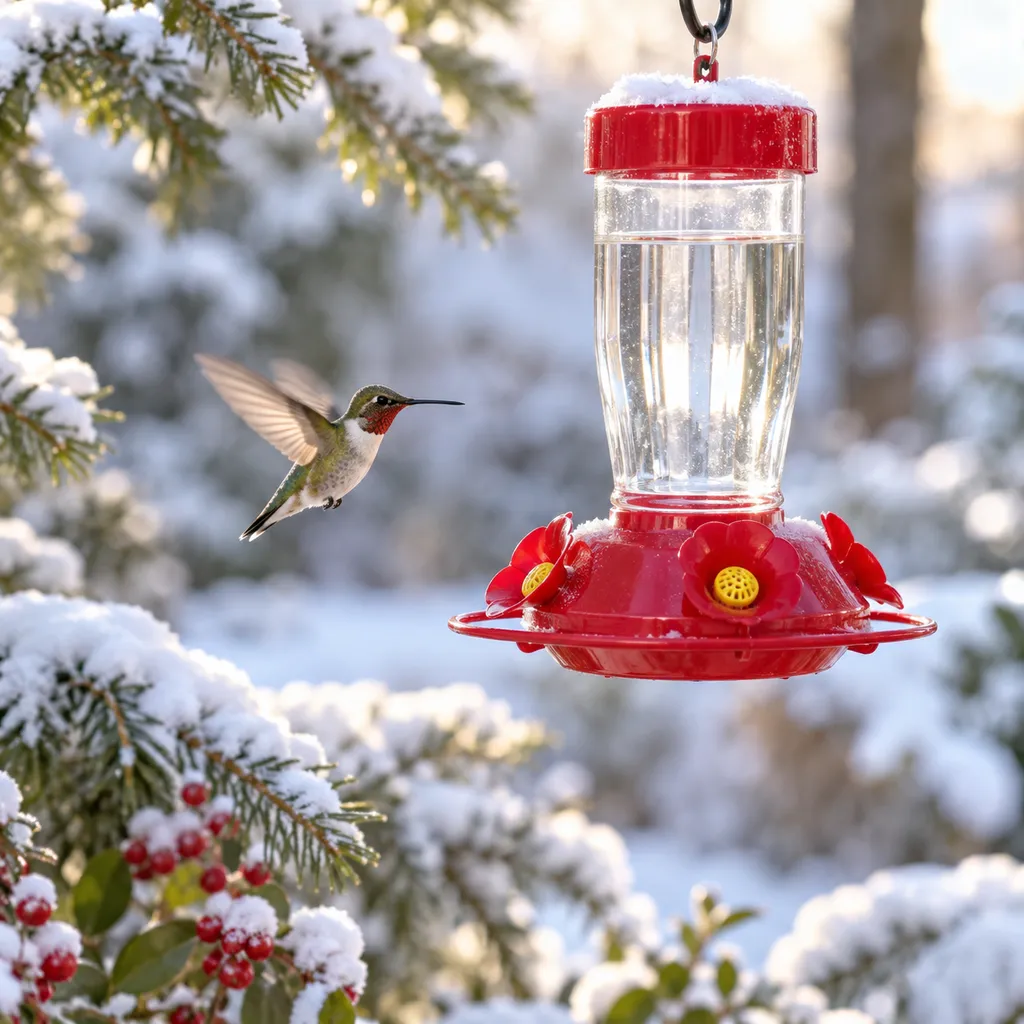
A hummingbird hovering beside a red feeder with clear nectar in a snowy backyard.
Feeding Through the Seasons Feeding Hummingbirds in Winter

Winter hummingbird feeding can help resident birds and late migrants, but the nectar stays simple: the 4:1 ratio, clear solution, no dye, and a freshness routine you can keep.
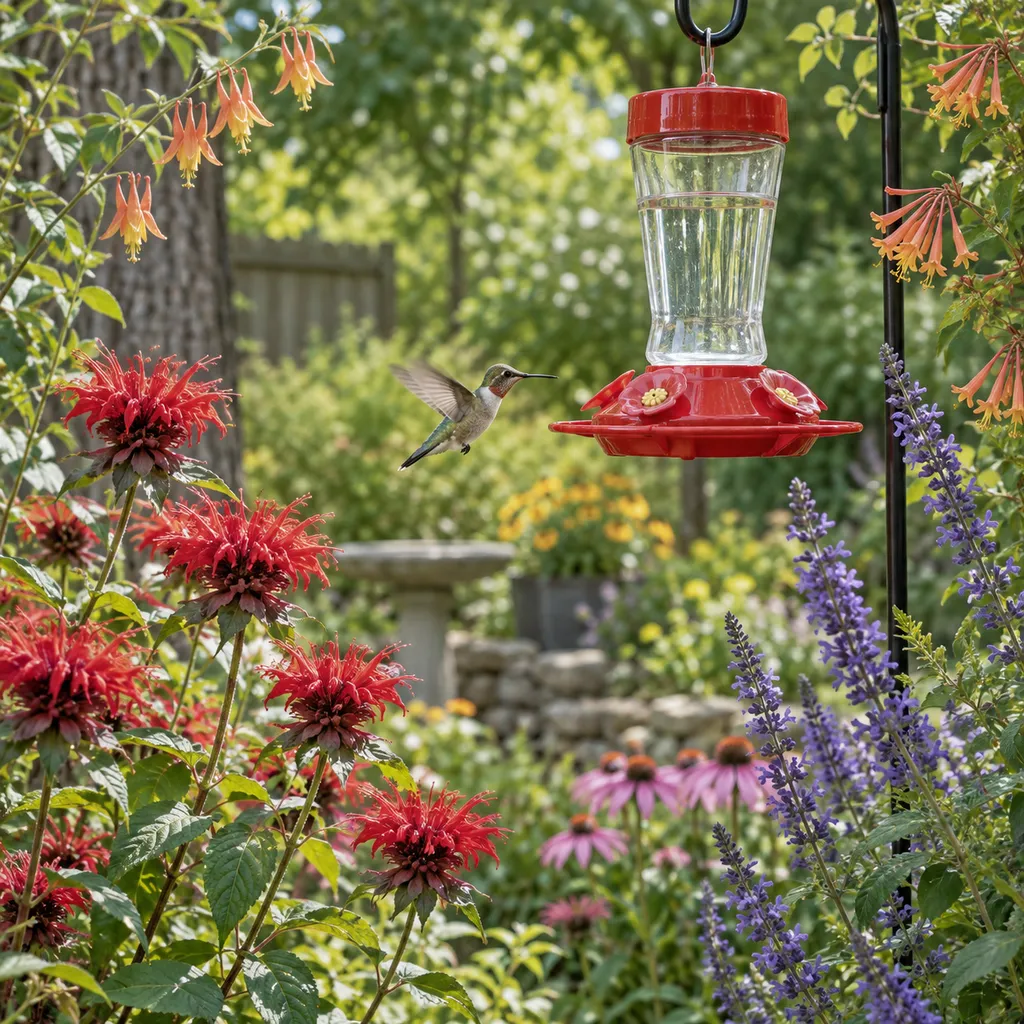
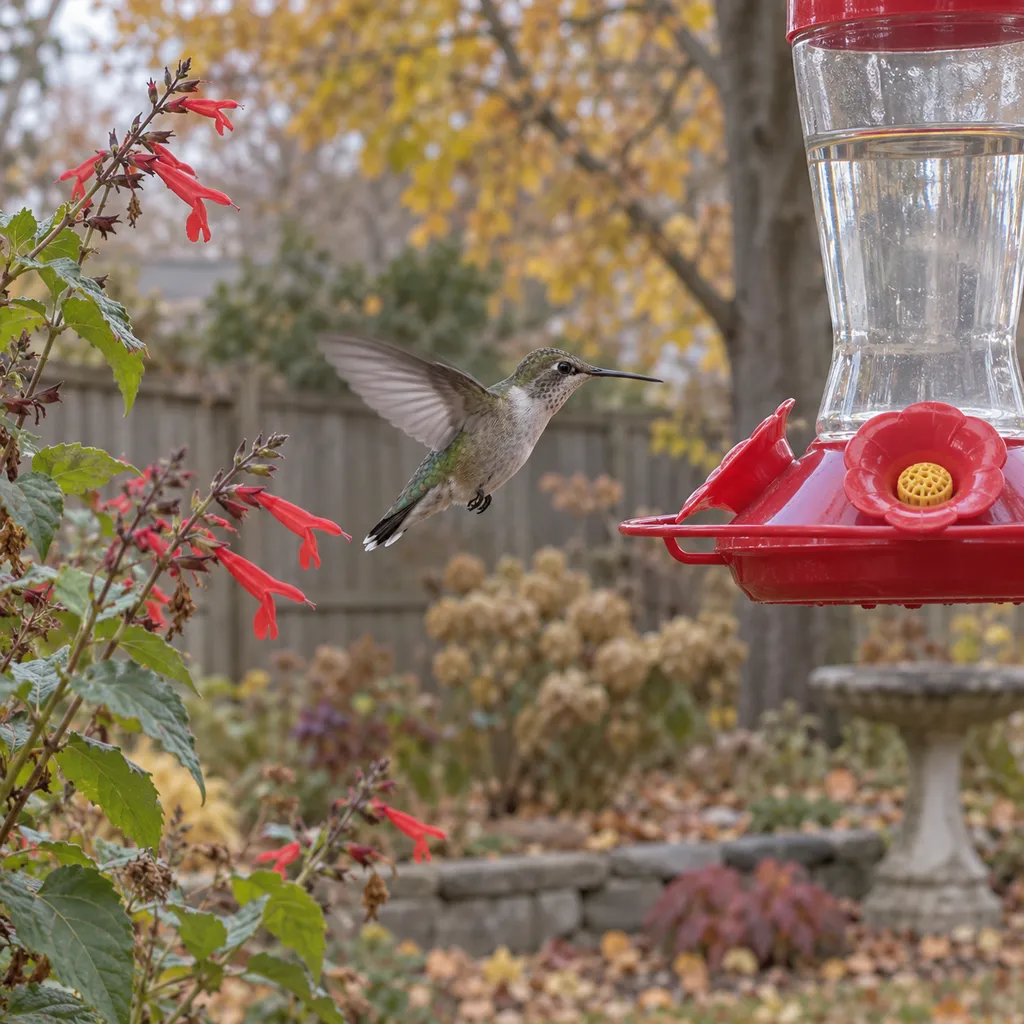
A hummingbird hovering near a red feeder with clear nectar and seasonal tubular flowers.
Feeding Through the Seasons Hummingbird Feeding Calendar: Month by Month

Use this monthly calendar to know when to put nectar out, how to adjust for heat and migration, and when winter feeding makes sense.

A hummingbird hovering near clear nectar and late red tubular flowers in a November backyard
Feeding Through the Seasons Hummingbirds in November

November hummingbirds are not all the same: location, species, weather, flowers, and migration timing decide what your sighting means.

A hummingbird hovering near a clean feeder and red tubular flowers in an October yard.
Feeding Through the Seasons Hummingbirds in October

October hummingbirds may be late migrants, young birds, western wanderers, or year-round residents. Keep nectar fresh and watch your local pattern.

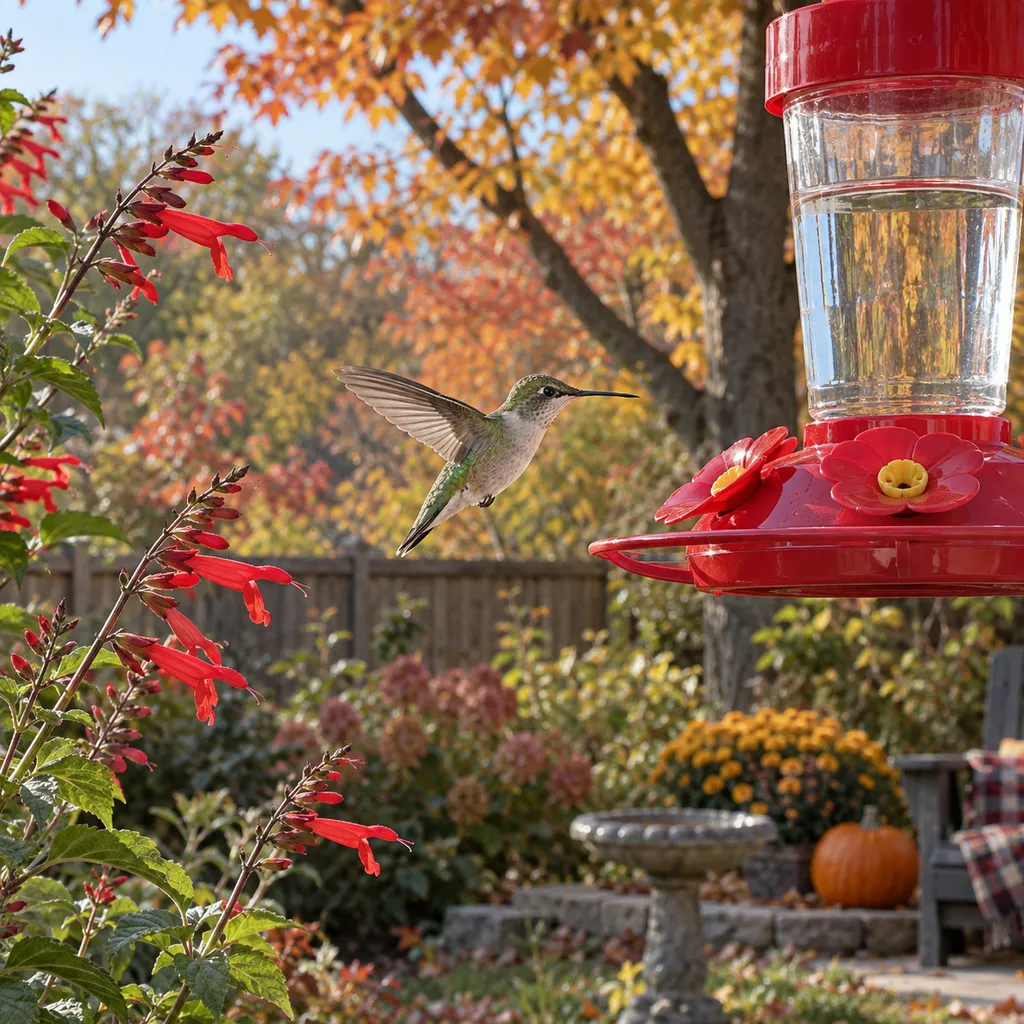
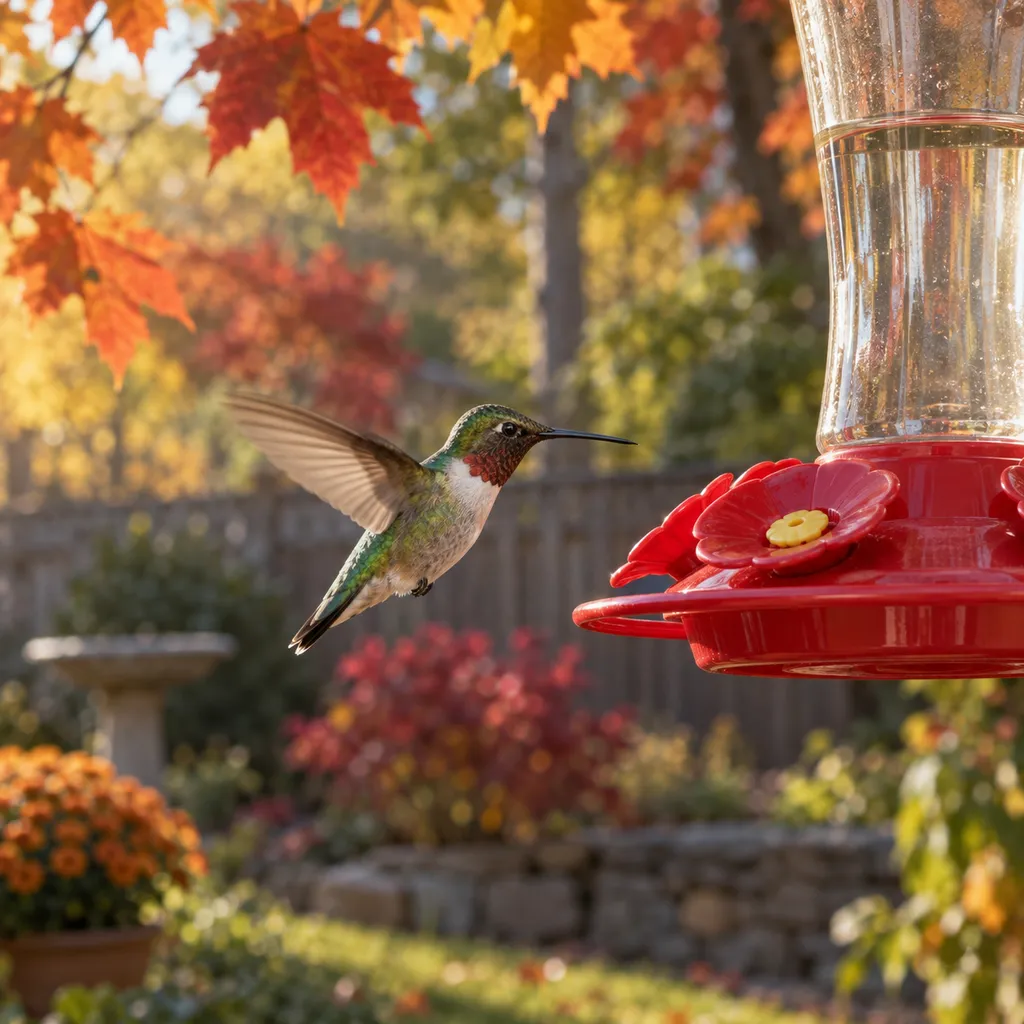
A hummingbird hovering near a red feeder with clear nectar in a fall backyard.
Feeding Through the Seasons Feeding Hummingbirds During Fall Migration

A fall feeding guide for hummingbirds, covering the 4:1 nectar ratio, freshness, migration timing, late visitors, and why clean feeders can help birds still moving through.