Behavior & Facts
Hummingbird Torpor: How They Survive Cold Nights
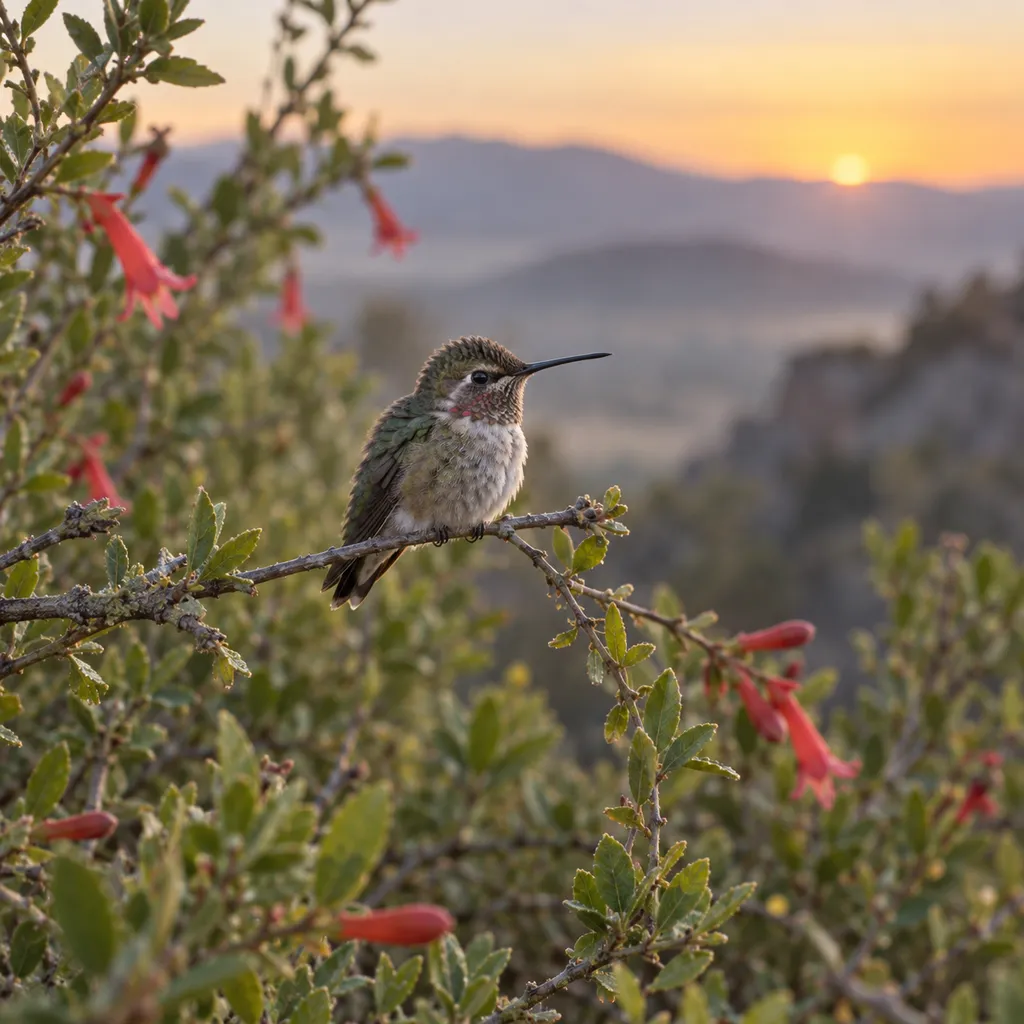
Torpor lets hummingbirds reduce energy use on cold nights or low-fuel nights, then warm back up and feed after dawn.
18 guides in this collection. Page 1 Of 2
Torpor lets hummingbirds reduce energy use on cold nights or low-fuel nights, then warm back up and feed after dawn.

Anna's Hummingbird is the familiar year-round hummingbird of much of the Pacific Coast. Here is how to understand its range, food, behavior, nesting, and backyard needs.
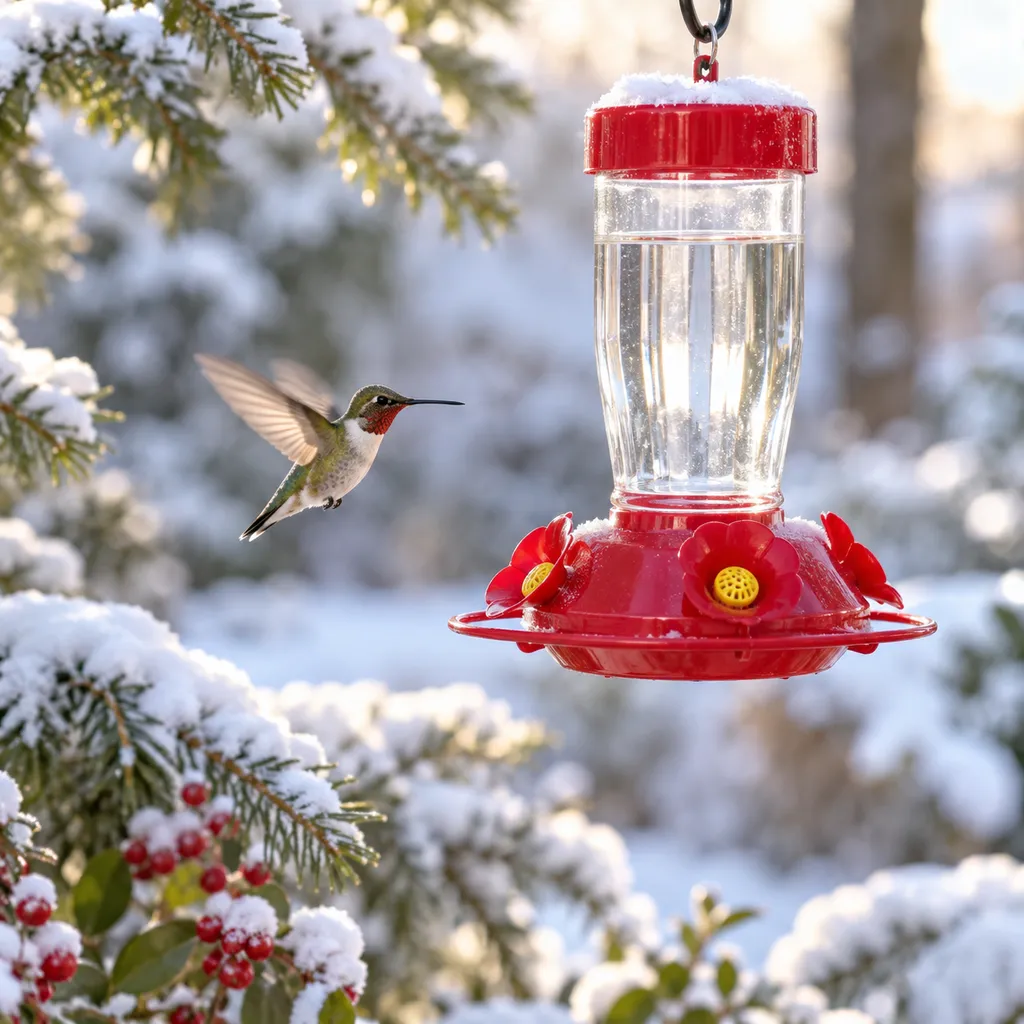
Winter hummingbird feeding can help resident birds and late migrants, but the nectar stays simple: the 4:1 ratio, clear solution, no dye, and a freshness routine you can keep.
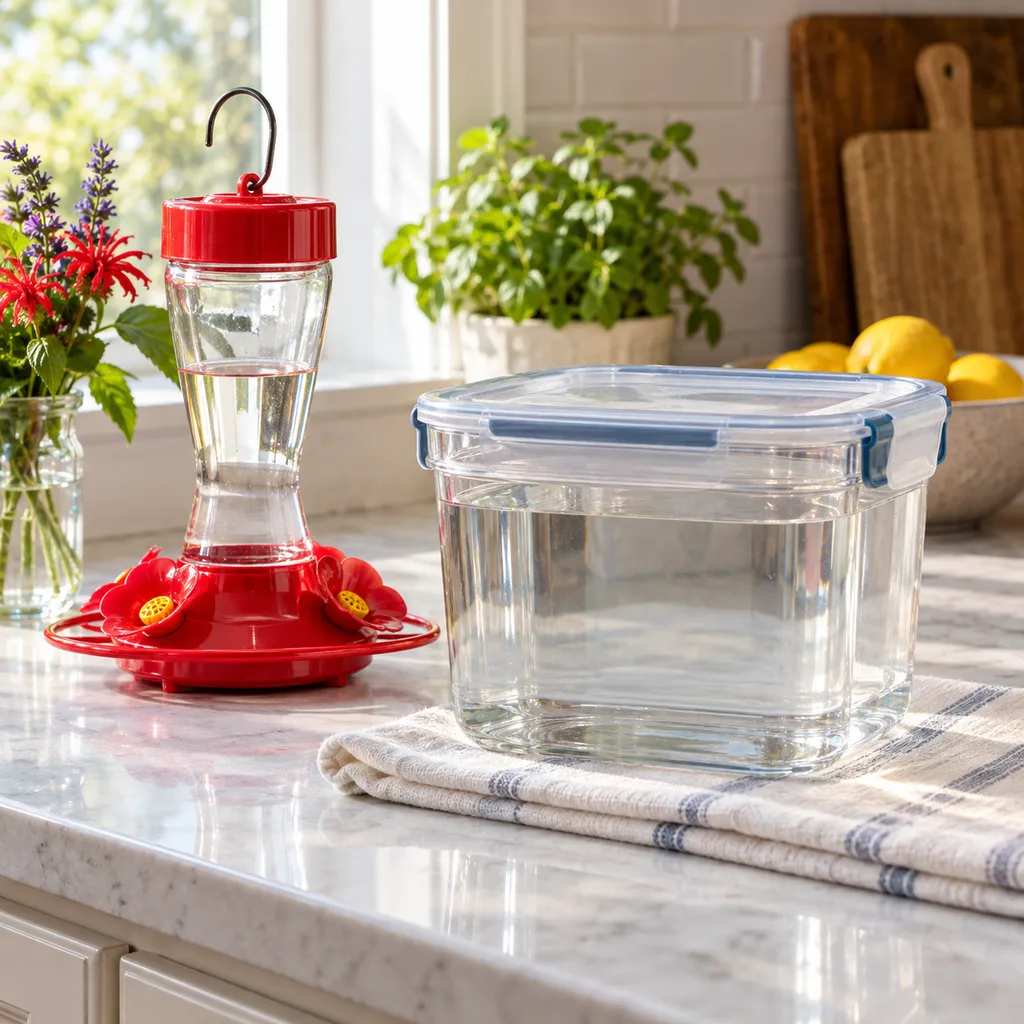
You can freeze fresh 4:1 hummingbird nectar in clean, sealed containers, then thaw it in the refrigerator and use it promptly.
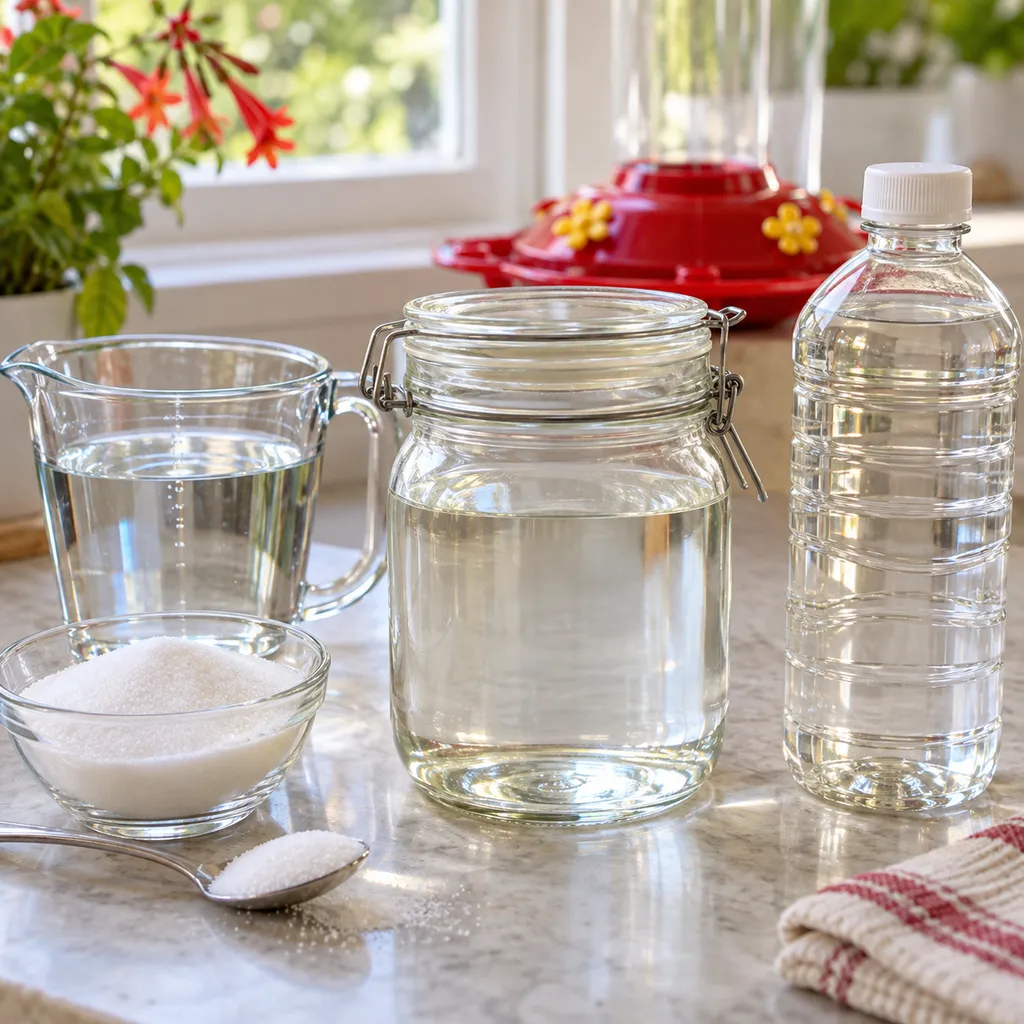
A practical comparison of homemade hummingbird nectar and store-bought mixes, with clear rules for ingredients, freshness, cost, and convenience.
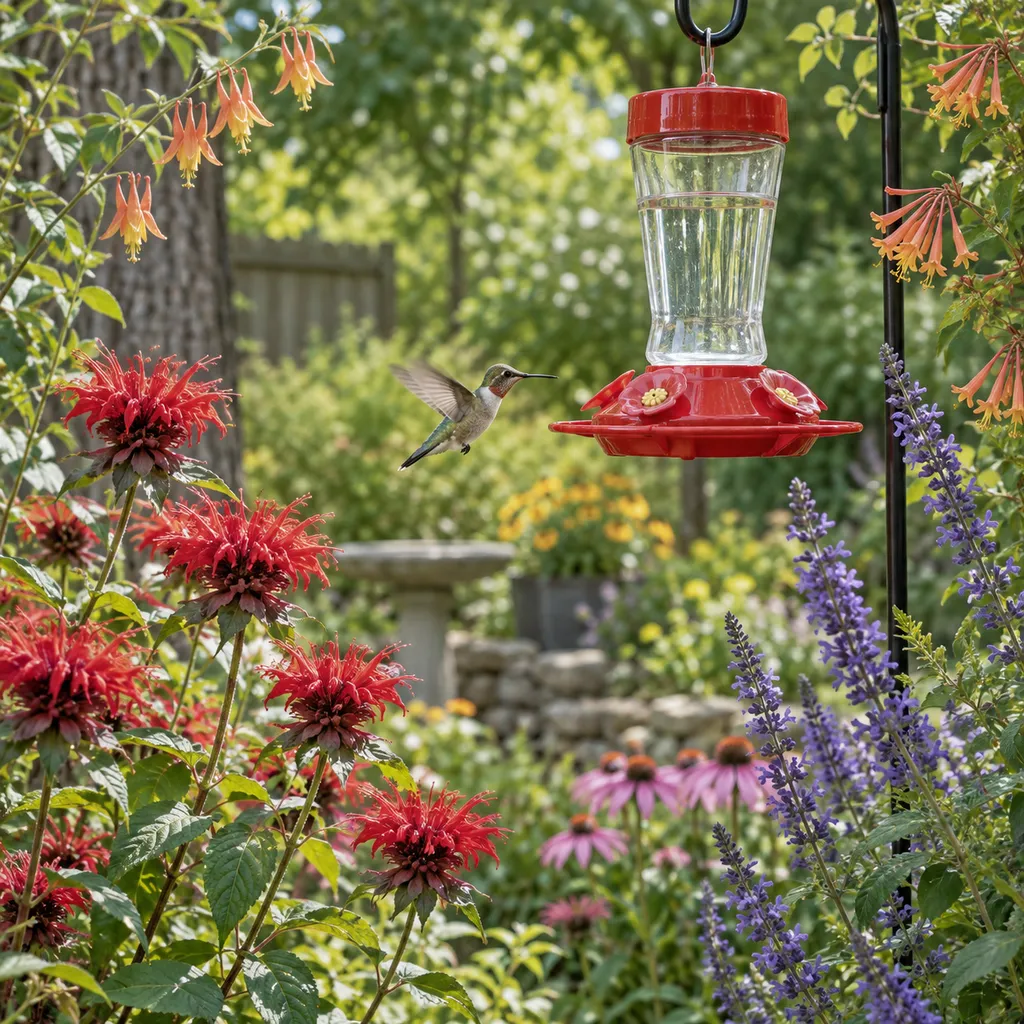
Use this monthly calendar to know when to put nectar out, how to adjust for heat and migration, and when winter feeding makes sense.
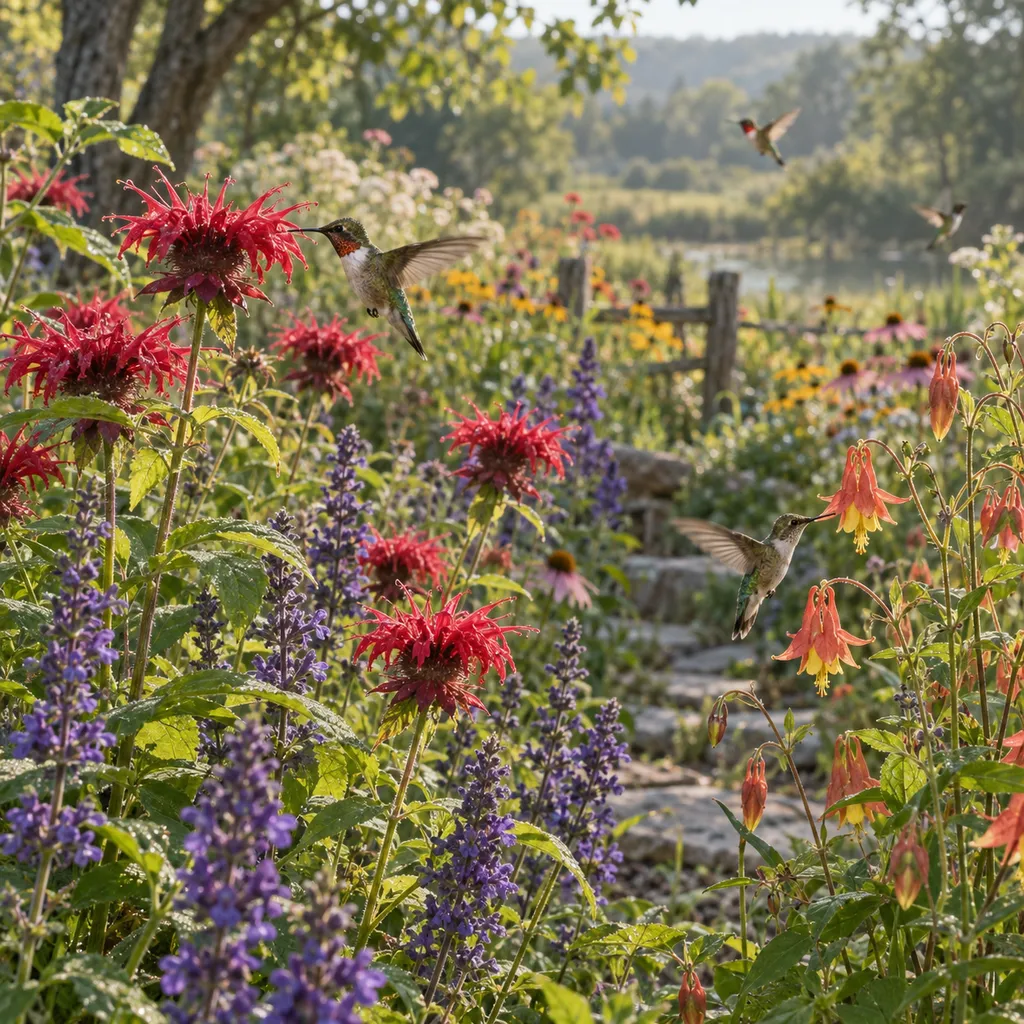
A practical guide to the common hummingbird species of North America, with range clues, field marks, feeding habits, and yard-friendly support tips.
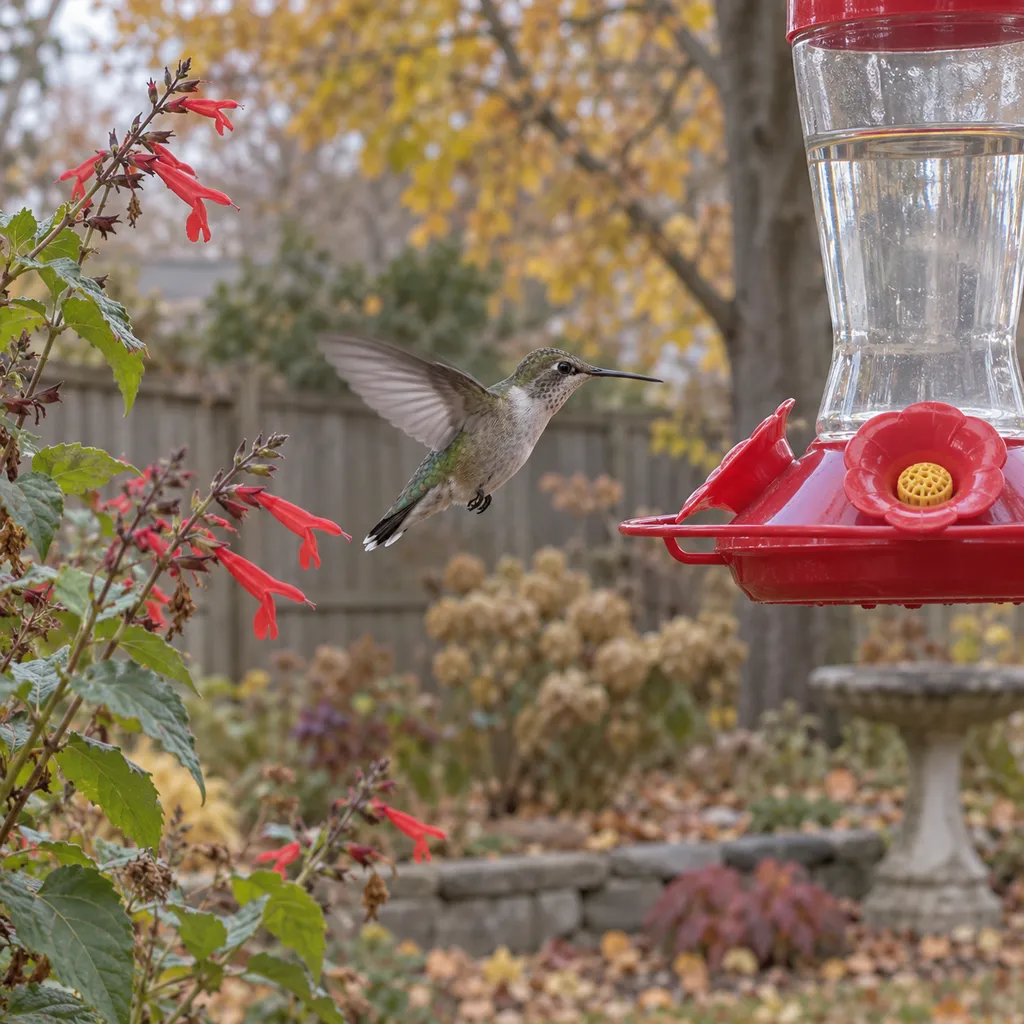
November hummingbirds are not all the same: location, species, weather, flowers, and migration timing decide what your sighting means.
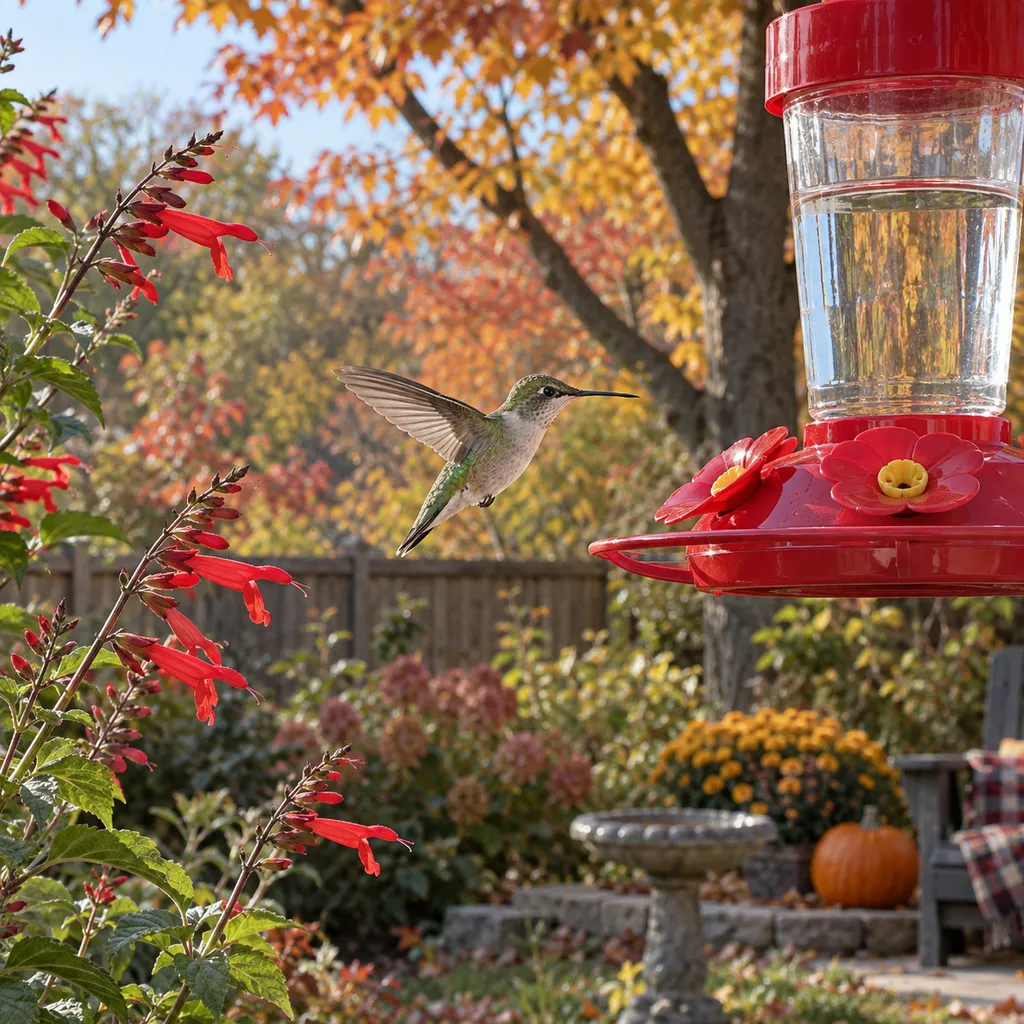
October hummingbirds may be late migrants, young birds, western wanderers, or year-round residents. Keep nectar fresh and watch your local pattern.